


 English
  русский
  عربى
عربى  Français
 Metal Steel Door
Product
Didn't find the product you like?
We gonna help you find matched one fast
Popular Products
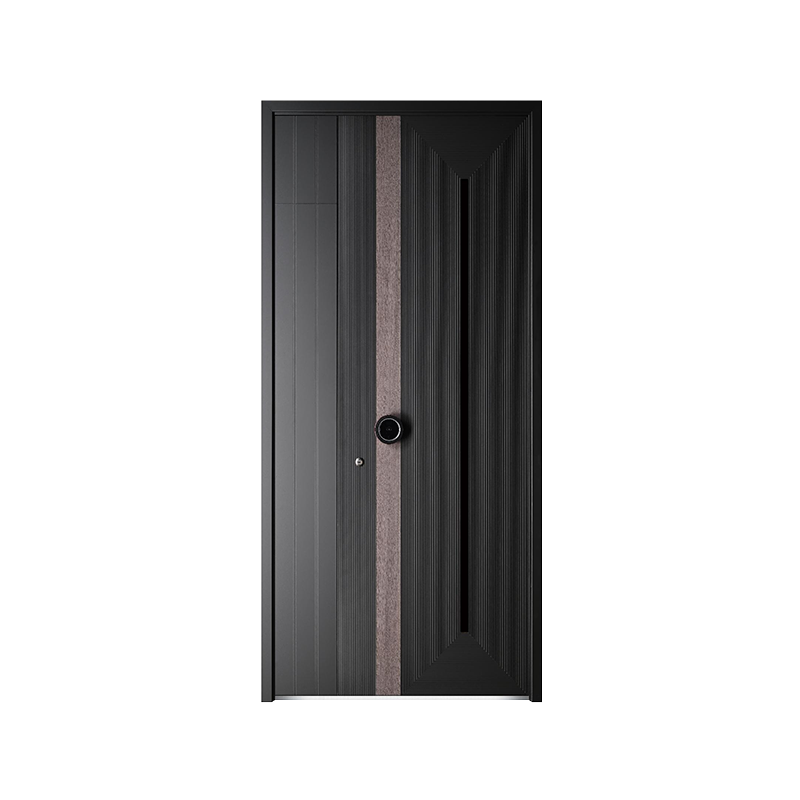
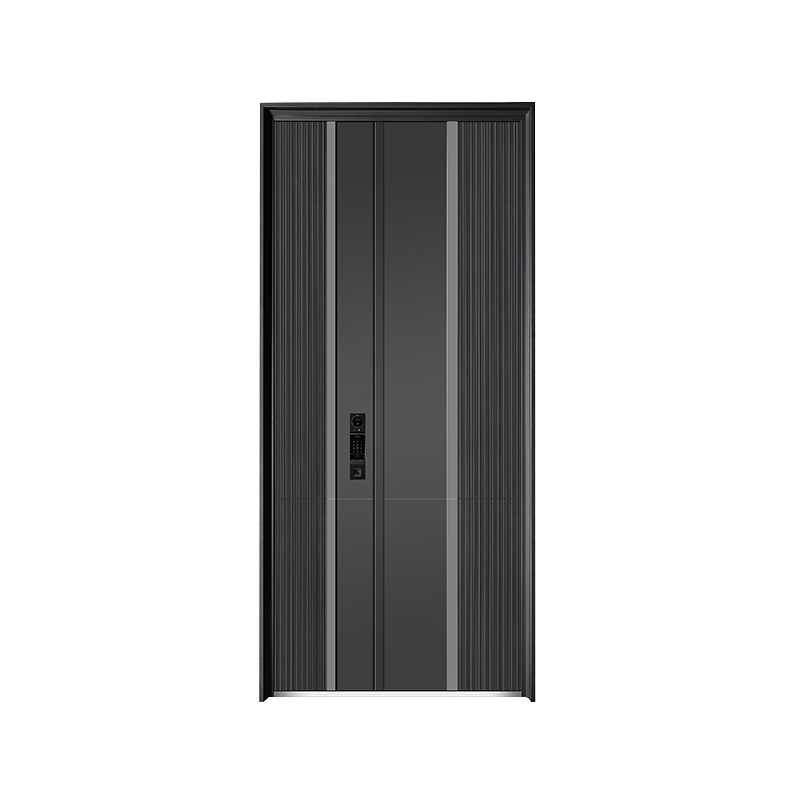
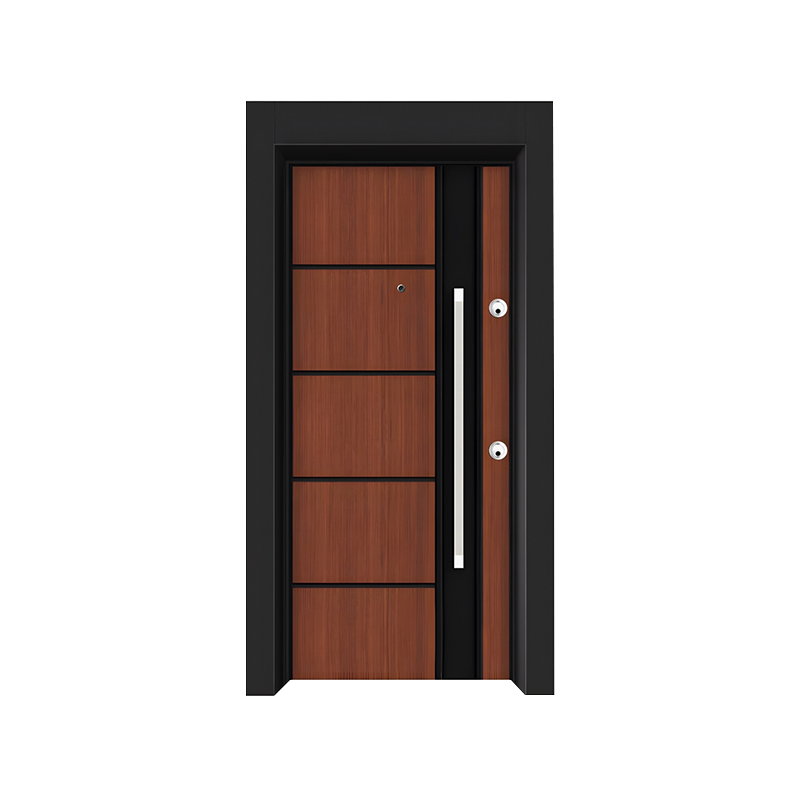
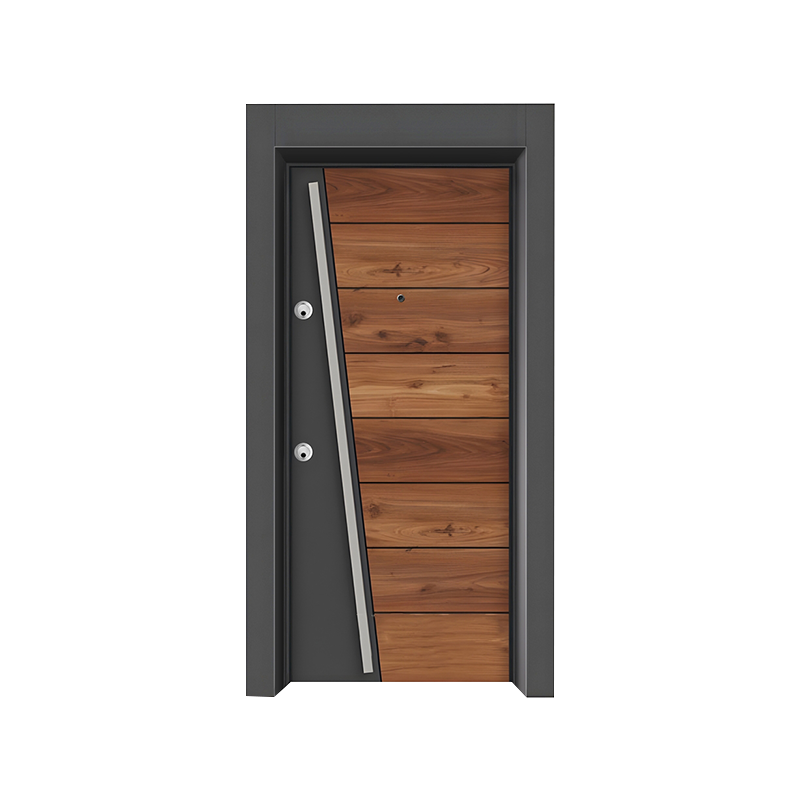
Didn't find the product you like?
We gonna help you find matched one fast


+86-13967452036
A Metal Door is no longer limited to industrial warehouses. Today, it is widely used in residential complexes, office buildings, retail spaces, and public facilities. Architects and contractors are turning to steel-based entry systems because they balance strength, durability, and modern appearance.
Many project managers face recurring issues with traditional wooden doors: deformation in humid climates, surface cracking, frequent repainting, and unstable structural strength. These problems translate into maintenance costs and project delays. A properly engineered Metal Door addresses these concerns through material stability and controlled manufacturing processes.
At the same time, working with a professional Metal Door Manufacturer helps reduce uncertainty in quality, delivery timelines, and technical specifications.
Reinforced Steel Construction
The foundation of a Metal Door lies in heavy-duty steel panels. High-grade steel provides structural rigidity, making the door resistant to impact and forced entry attempts. Compared with wood or composite alternatives, steel maintains its shape over time and is less sensitive to moisture fluctuations.
Internal Insulation System
Inside the door leaf, insulating materials are integrated to regulate indoor temperature. This internal structure helps reduce heat transfer and supports energy efficiency in both hot and cold climates. For commercial buildings managing large interior spaces, insulation performance directly influences operational costs.
Fire-Resistant Layers
Certain building codes require entry systems with fire-rated performance. Many Metal Door models incorporate fire-resistant cores and sealing systems that can withstand high temperatures for specified durations. For office buildings, apartment complexes, and industrial facilities, this feature plays a significant role in regulatory compliance.
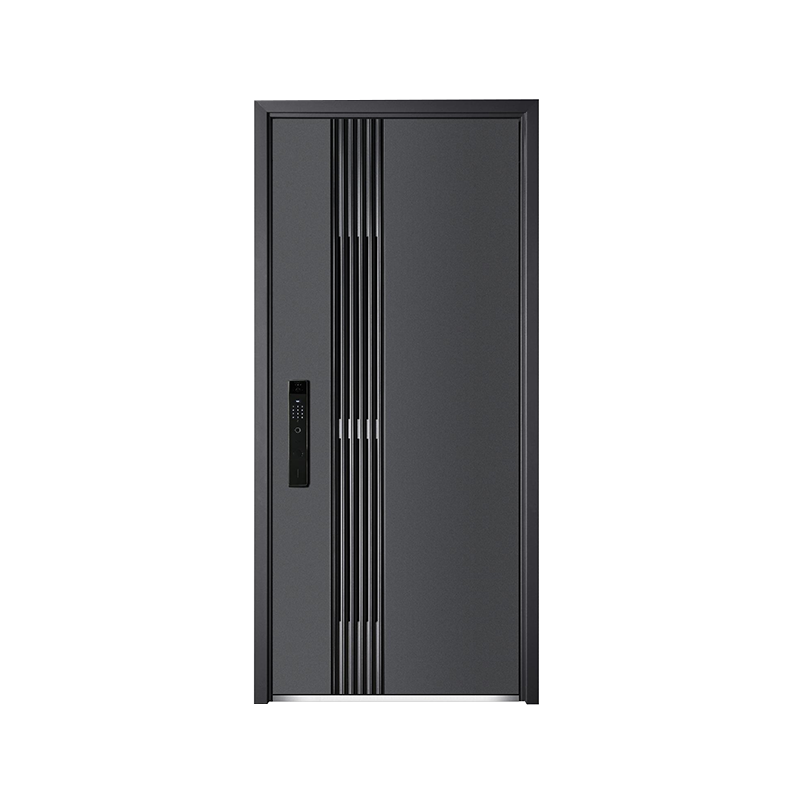
Choosing a Metal Door is not only about design. The production process determines consistency and long-term reliability.
Material Preparation
A qualified Metal Door Manufacturer sources high-grade steel known for corrosion resistance and structural stability. The steel is treated to improve its ability to withstand moisture, temperature variation, and physical stress.
Precision Fabrication
Advanced machinery is used to cut and form steel sheets to precise dimensions. Automated systems support uniformity, especially for large-scale projects requiring hundreds or thousands of units. Skilled technicians handle assembly, hinge reinforcement, and locking system integration.
Surface Finishing
After fabrication, the door surface is powder-coated or painted. This finishing layer protects against rust and surface wear. It also allows for color and texture customization, enabling compatibility with modern and traditional architectural styles.
Quality Control
Before leaving the factory, each Metal Door undergoes inspection for structural integrity, surface consistency, and functional performance. This step reduces installation issues on construction sites and limits after-sales disputes.
Energy performance is often overlooked during door selection. However, entry systems influence heating and cooling consumption.
The insulated core inside a Metal Door reduces heat exchange between indoor and outdoor environments. For commercial buildings operating HVAC systems daily, this contributes to more stable interior temperatures and controlled energy usage.
A knowledgeable Metal Door Manufacturer can provide technical data regarding insulation thickness and thermal performance, helping project planners make informed decisions.
The Metal Door has evolved into a versatile architectural component suitable for residential, commercial, and industrial environments. Its strength, insulation structure, fire-rated options, and adaptable design make it a practical choice for contemporary construction.
Behind every reliable door stands a manufacturing process built on precision equipment, material control, and quality inspection. Partnering with a professional Metal Door Manufacturer supports consistency in both product performance and project execution.
 Previous