


 English
  русский
  عربى
عربى  Français
 Metal Steel Door
Product
Didn't find the product you like?
We gonna help you find matched one fast
Popular Products
Didn't find the product you like?
We gonna help you find matched one fast


+86-13967452036
An entrance door shapes the visual identity and functional performance of a building. The Aluminum Front Door has become a preferred option in both residential and commercial construction due to its balance of durability, appearance, and structural stability.
Traditional wooden doors often face swelling, cracking, or surface wear in humid or coastal regions. Steel doors provide strength but can be heavier and require different aesthetic treatments. Aluminum stands out for its lightweight structure combined with corrosion resistance, making it suitable for projects exposed to moisture, salty air, and changing weather conditions.
Corrosion Resistance in Challenging Climates
Aluminum naturally forms a protective oxide layer that resists rust. This characteristic makes the Aluminum Front Door particularly practical for coastal cities and high-humidity areas where other materials may deteriorate over time. Reduced surface degradation translates into fewer maintenance interventions and longer service life.
Lightweight but Structurally Stable
Although lighter than steel, aluminum provides strong structural performance when engineered correctly. Reinforced internal frames and precision welding techniques contribute to rigidity without adding unnecessary weight. This balance supports easier handling during installation while maintaining structural integrity.
Clean and Contemporary Aesthetic
Architectural trends increasingly favor streamlined facades and defined lines. The Aluminum Front Door aligns with this direction, offering slim profiles and smooth finishes. It can also adapt to more traditional styles through panel designs, decorative elements, or integrated glass inserts.
Energy efficiency is increasingly integrated into building planning. The Aluminum Front Door contributes to this goal when designed with proper insulation layers and thermal break structures.
Thermal Break Technology
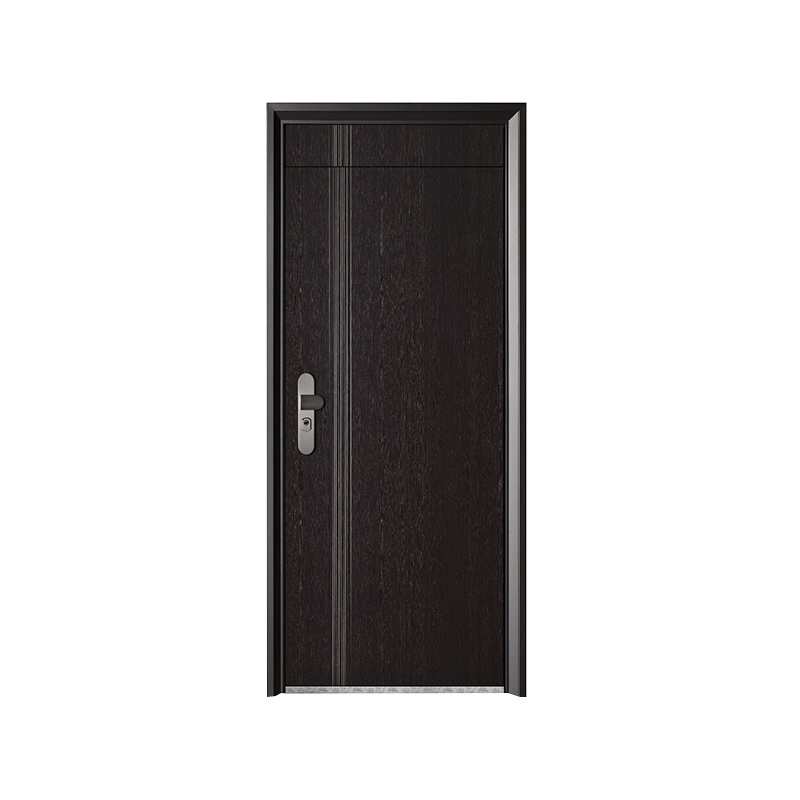
A thermal break separates the interior and exterior aluminum profiles, reducing heat transfer through the frame. This structural feature improves indoor temperature stability and supports reduced heating or cooling demand.
Insulated Core Panels
In addition to frame design, insulated door panels limit heat exchange. When combined with sealed edges and quality gaskets, the system helps control drafts and air leakage.
Project planners often request performance data from the Aluminum Front Door Manufacturer to align with building codes or sustainability objectives.
Residential Projects
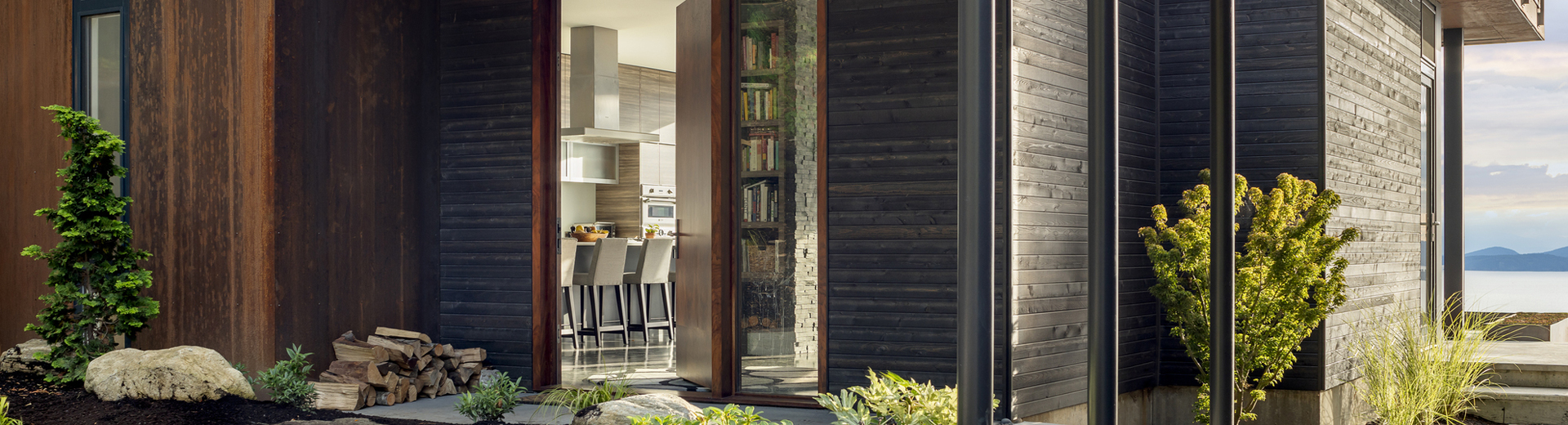
In private homes, the Aluminum Front Door provides a refined entrance solution that complements modern architecture. Its resistance to moisture benefits properties located near coastlines or in regions with heavy rainfall. The low-maintenance surface reduces the need for frequent repainting or refinishing.
For renovation projects, lightweight construction simplifies the replacement of outdated wooden doors without significant structural modification.
Commercial Buildings
Offices, retail stores, and mixed-use developments frequently adopt aluminum entry systems due to their clean appearance and adaptable design. Larger glass sections can be integrated to improve visibility and create an inviting storefront.
Durability also plays a role in high-traffic environments. Reinforced frames and stable hinges support repeated daily use without compromising alignment.
The Aluminum Front Door combines corrosion resistance, adaptable design, and energy-conscious structure in a single entry solution. Its versatility supports applications across residential and commercial projects, from new developments to renovation work.
Behind each well-performing door stands a manufacturing process focused on material selection, fabrication precision, and controlled finishing. Collaboration with a capable Aluminum Front Door Manufacturer contributes to stable product quality and smoother project execution over time.
 Previous