


 English
 русский
 عربى
 Français
Metal Steel Door
Product
Didn't find the product you like?
We gonna help you find matched one fast
Popular Products
Didn't find the product you like?
We gonna help you find matched one fast


+86-13967452036
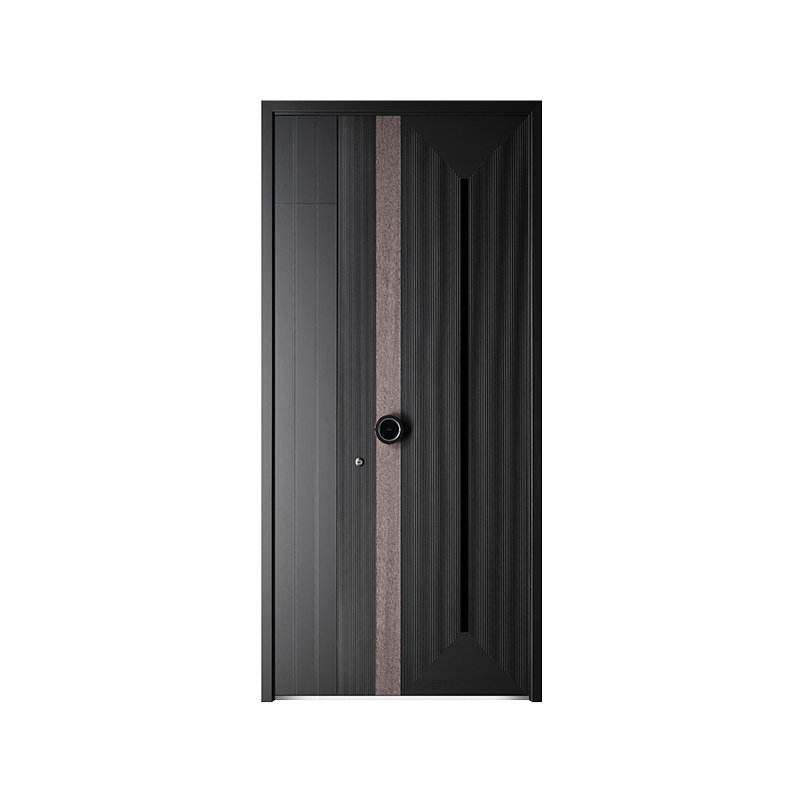
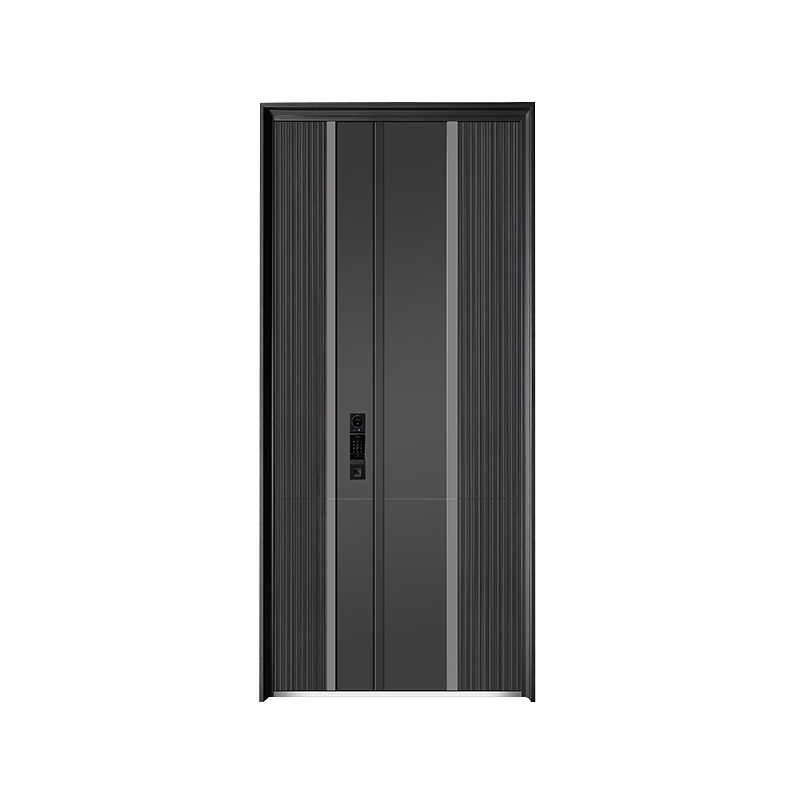
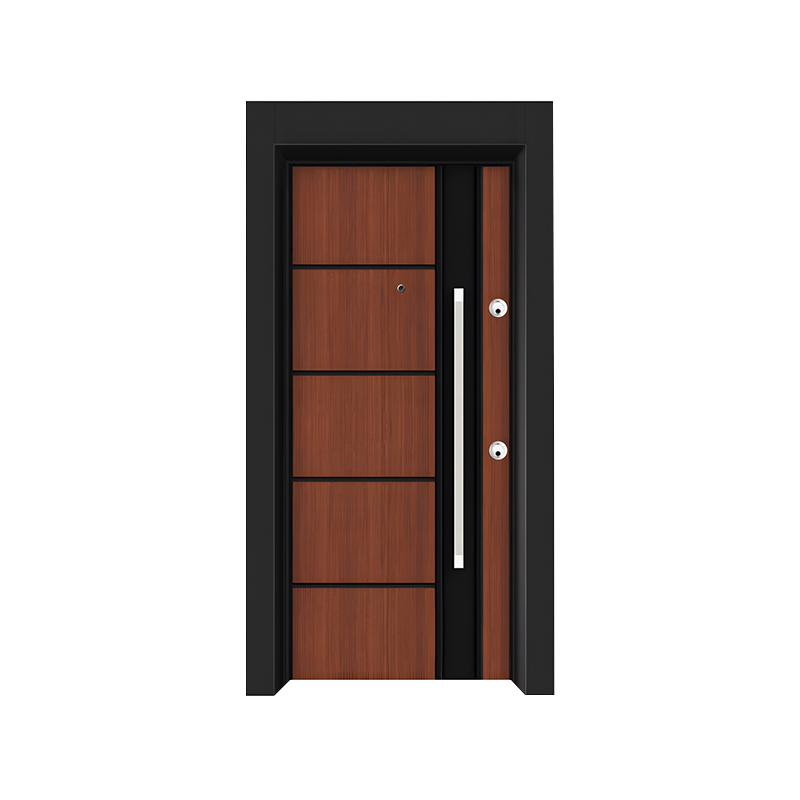
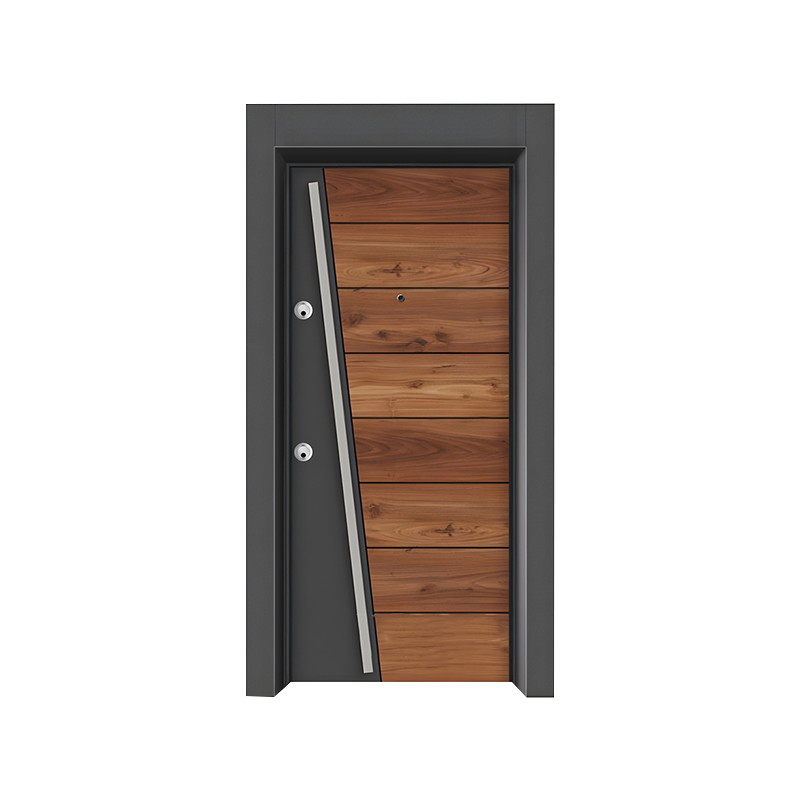
A Steel Frame Armored Door is judged by what happens when it is pushed, kicked or leaned on, and by whether it still closes cleanly years later. Zhejiang Shenggu Electronics Co., Ltd. lists the Steel Frame Armored Door in a Turkish style among its entrance doors, alongside industrial style, modern and retro variants. The look of the door is what a visitor notices at once, yet its strength depends on what sits inside the frame and how the pieces work together.
In a Steel Frame Armored Door, a steel frame forms the core structure, and every other part attaches to it. The frame keeps the leaf square in the opening, carries the hinges, and receives the bolts when the door is locked. If the frame twists, the leaf rubs, the lock misaligns and gaps open at the edges, so frame stiffness decides how the door behaves long after installation.
Wall openings are rarely perfectly square, and a rigid frame has to be fitted so that it does not pass its own twist on to the leaf. A stiff steel section holds its geometry under repeated slamming and leaning, which is why the frame, and not the leaf, is where strength is planned.
The leaf of the door contains an armoured layer of reinforced steel or composite material. This layer resists forced entry and impact, because a surface that dents easily offers little protection to the lock area behind it. Reinforced steel gives hardness against tools, while a composite layer offers a different balance of weight and stiffness. The layer in a Steel Frame Armored Door is chosen with that balance in mind.
Steel exposed to rain, humidity or coastal air rusts at cut edges, welds and the lower edge of the leaf, where water collects. Corrosion-resistant treatment of the steel protects those weak points, so the door keeps its strength and its appearance. Weather resistance against rain, snow and sun matters for doors that face the outside, such as villa entrances and doors at the front of commercial buildings.
A single bolt at lock height concentrates the force of a kick or a pry on one point. Multi-point locking systems with steel bolts distribute that force along the height of the door edge, so the leaf is held to the frame at several places instead of one. The frame has to be strong enough to take those bolts, which is why the lock, the frame and the leaf are considered together in a Steel Frame Armored Door.
Many models of the door include insulation. A leaf with an insulated core blocks drafts and reduces noise passing through the door, which helps in homes that face a busy street or an exposed side of a building. Insulation also evens out the temperature swings inside the leaf, which suits a Steel Frame Armored Door that faces rain, snow and sun.
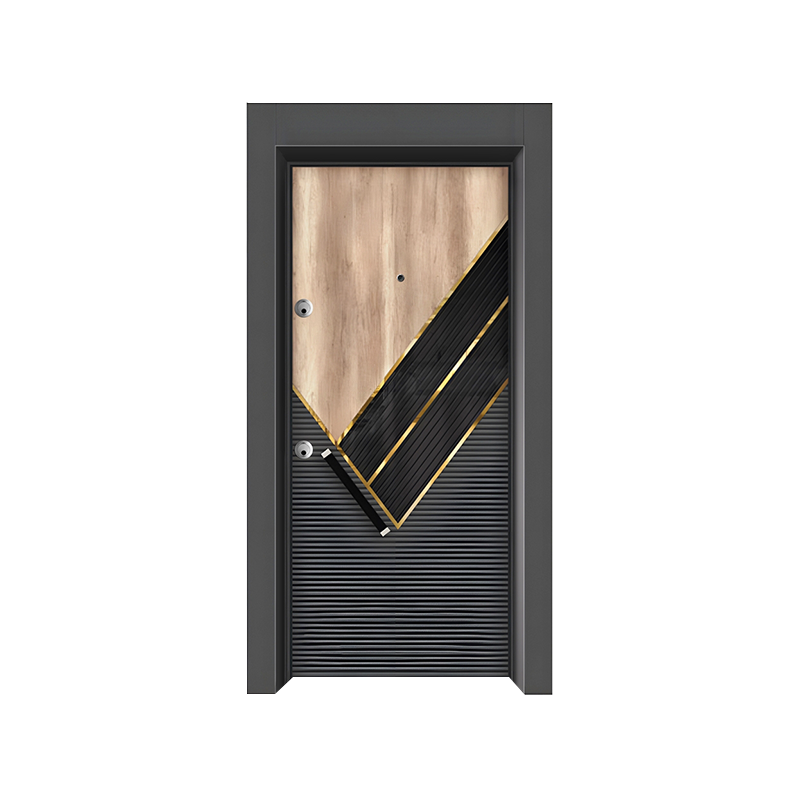
The Turkish style door carries engraved motifs, including protective symbols and geometric patterns. Carved decoration sits on the surface while the armoured core stays inside, so the door looks traditional on the outside and keeps its steel structure. The other styles on the Shenggu list, industrial, modern and retro, carry their looks in the same way over a Steel Frame Armored Door structure.
Villas and private homes are a common setting for a decorative armoured door, and commercial and office buildings use the same construction at the entrance to shops, studios and reception areas. In each case the door has to look right in the entrance and withstand daily use, whether that is a family coming and going or a stream of visitors.
A door shows its construction over time: the leaf still closes without scraping, the bolts still slide into the frame without force and the finish has not blistered at the edges. Each of these depends on the frame, the armour, the corrosion treatment and the locking system working as one structure, which is how a Steel Frame Armored Door keeps both its shape and its security through years of use.
 Previous
