

 English
 русский
 عربى
 Français
Metal Steel Door
Product
Didn't find the product you like?
We gonna help you find matched one fast
Popular Products
Didn't find the product you like?
We gonna help you find matched one fast


+86-13967452036
A Single Open Steel Door looks simple on a drawing: one leaf, one frame, one lock. Yet two details decide whether it fits the building it is ordered for, and neither appears in a color chart. They are the side the hinges sit on and the direction the leaf swings. Contractors, distributors and importers who settle both before placing an order avoid an especially awkward kind of mistake, a door that arrives intact and cannot be hung.
Door handing describes which side the hinges are on, and it is judged by looking at the door from a set position. Many markets read it from the outside, but conventions differ between regions, and the words "left" and "right" mean different things to different suppliers. A Single Open Steel Door listed with a left side hinge is only useful if buyer and factory agree on where to stand when they say "left". A simple sketch with an arrow removes the doubt.

A door built for the wrong hinge side cannot simply be turned around. The frame, the lock position and the swing all assume a particular side, so a wrong order often means a replacement unit and a second shipment. For export orders, where freight and time are both limited, that is a high price for one misunderstood word.
An inward swing keeps the hinges on the protected side of the door, which is a common choice for entrances where hinge security matters. An outward swing saves floor space inside the room and suits narrow entrance halls, but its hinges are exposed and need extra protection. Each choice changes the frame details, so a Single Open Steel Door ordered for one swing cannot be reversed on site without rework.
A leaf needs room to open fully. Walls, stair rails, furniture and neighboring doors can all block it. Before ordering, buyers measure not only the opening itself but also the space the door will sweep through, including the handle. A few centimeters of clearance can decide whether the door opens fully or stops against the wall.
A single leaf steel door suits ordinary openings. As the opening grows wider, one leaf becomes heavy and difficult to hang, and builders move to a double-leaf arrangement. For standard entrances, a single steel entrance door keeps the structure simple, with fewer hinges, fewer seams and a single locking point.
A single leaf is easier to carry through stairwells and elevators, and it packs into smaller crates. For contractors working in apartment blocks, that difference matters on installation day. A Single Open Steel Door that fits through the building before it fits the opening saves effort.
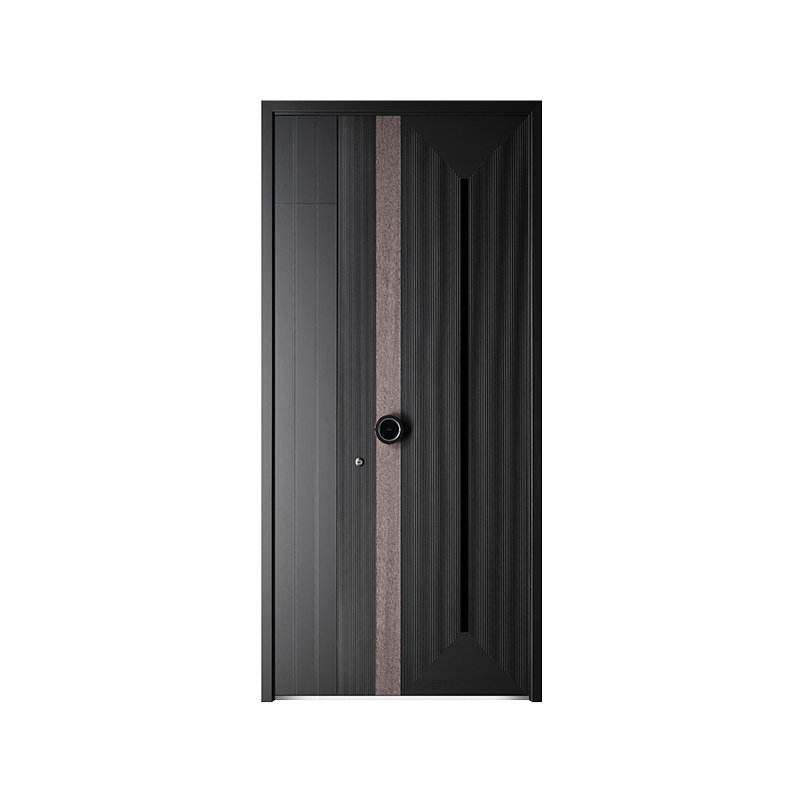
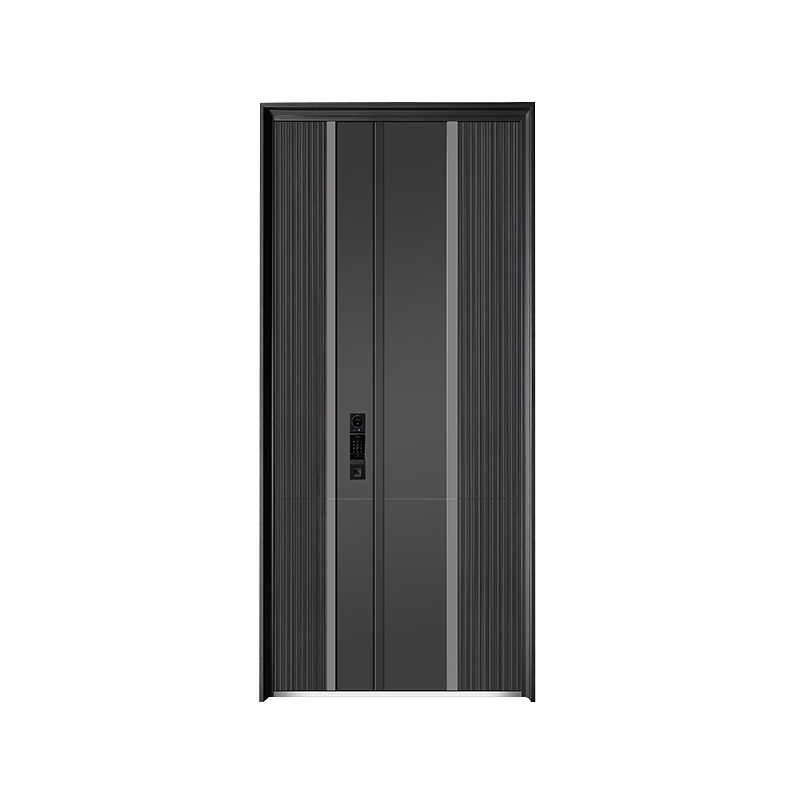
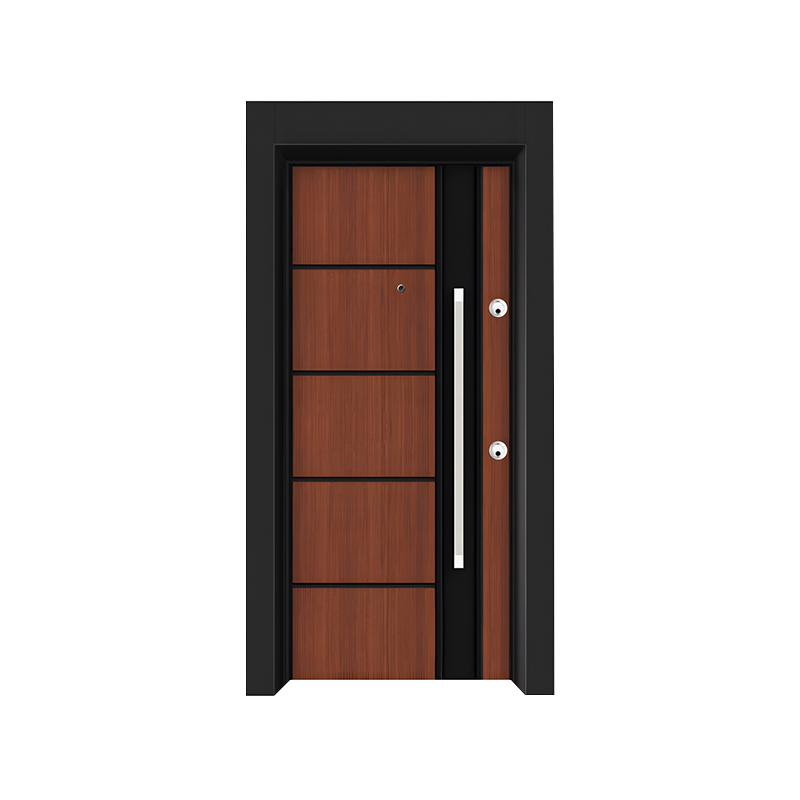
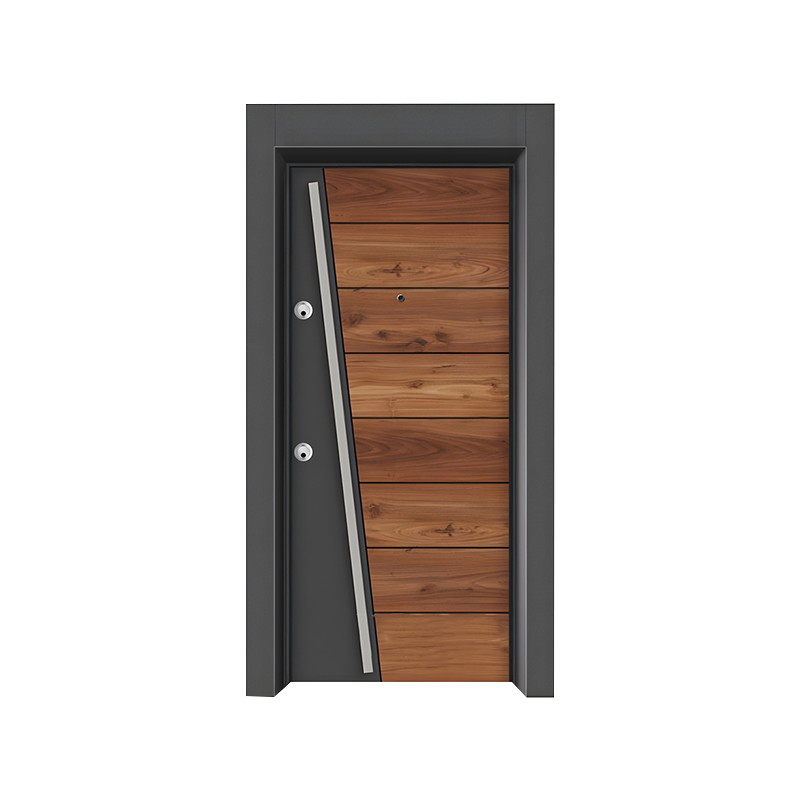
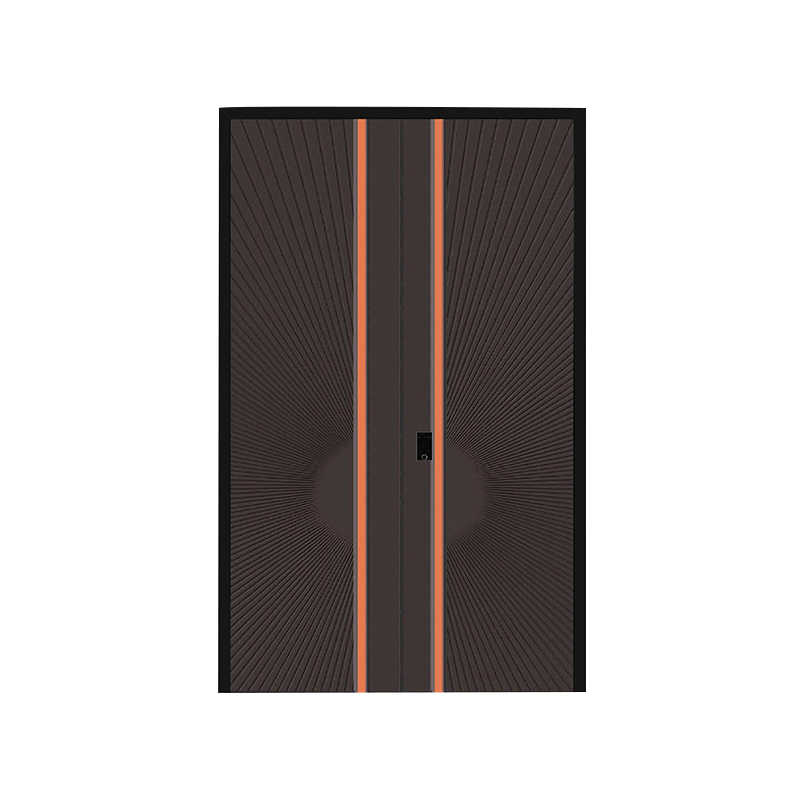
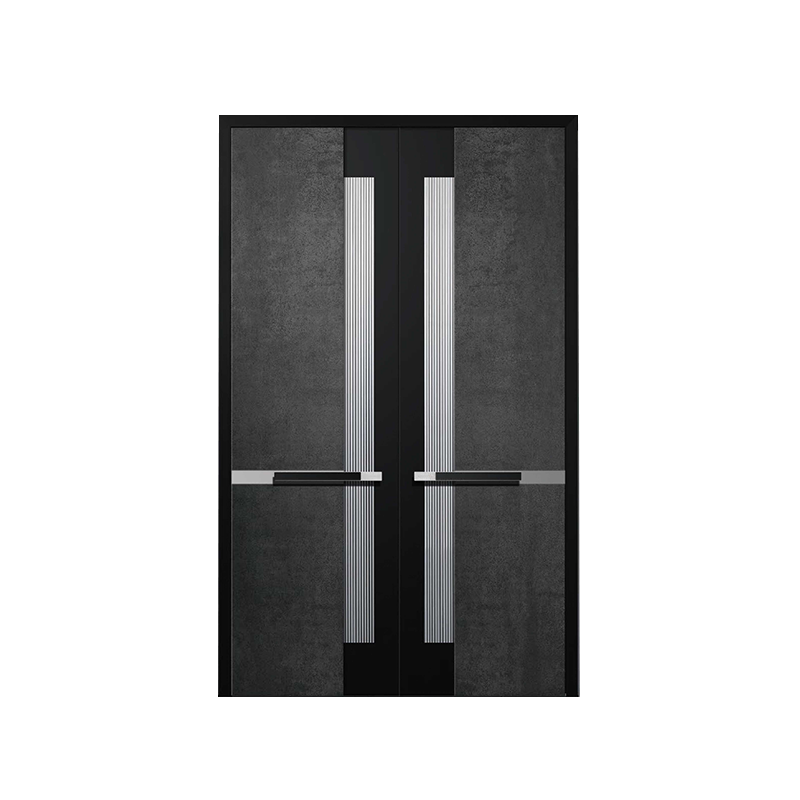
Steel doors are sold in different looks for different regions. Armored styles with strong panels are common in some markets, wood-faced backs with steel fronts in others, and double-clad panels with decorative patterns in others again. Color varies too, from plain white to blue, red and softer tones described as light luxury. Distributors who stock a Single Open Steel Door choose styles that match local taste, then confirm the hinge side and swing for each project.
A short list of facts gives a supplier what it needs to quote and build correctly:
|
Detail |
Why it matters |
|
Hinge side, seen from outside |
Prevents the wrong-hand mistake |
|
Inward or outward swing |
Sets frame and hinge details |
|
Opening width and height |
Confirms the leaf and frame size |
|
Wall thickness |
Fits the frame to the wall |
|
Color and style |
Matches the building and the market |
A Single Open Steel Door ordered with these five facts has fewer chances to go wrong between the drawing and the doorway.
The steel and the finish get the attention in a catalog, but the opening decides the order. Measure it, sketch the swing and agree on the hinge side in writing. When those three things are fixed, a Single Open Steel Door becomes a routine purchase, and a routine purchase is what contractors and importers want. A fine door on paper is still the wrong one if it opens the wrong way.