


 English
  русский
  عربى
عربى  Français
 Metal Steel Door
Product
Didn't find the product you like?
We gonna help you find matched one fast
Popular Products
Didn't find the product you like?
We gonna help you find matched one fast


+86-13967452036
Steel Entrance Door selection is increasingly viewed as a practical solution for buildings seeking a durable, secure, and low-maintenance entry point. As many residential and commercial projects prioritize long-term reliability, steel doors offer a range of advantages that address security, insulation, and maintenance concerns in one package.
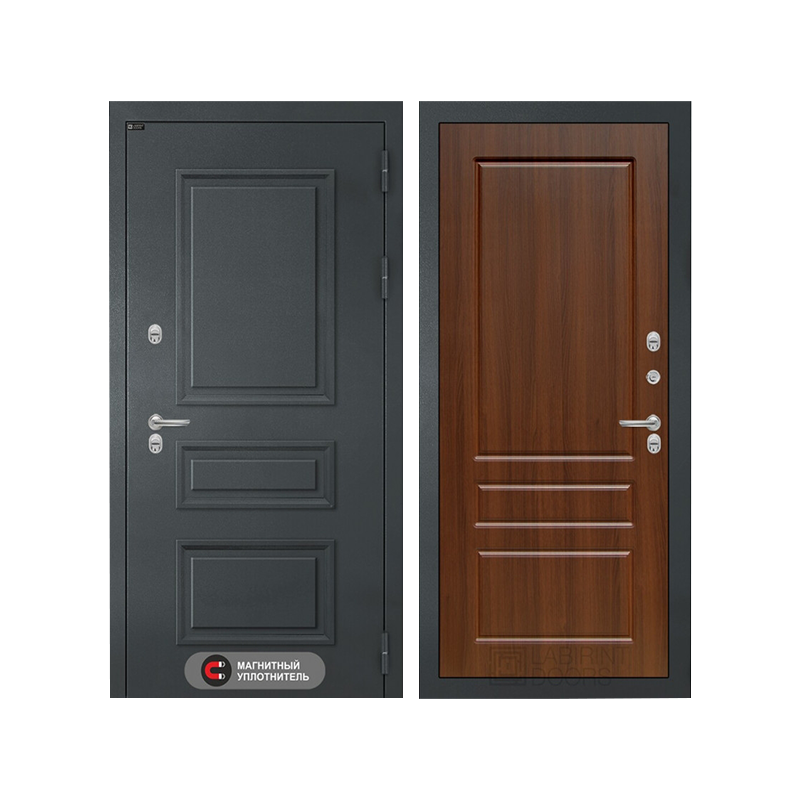
At the top of the list is security and protection. Steel doors are constructed with reinforced frames, sturdy locking systems, and solid panels — features that make forced entry or tampering significantly harder compared with standard wooden or hollow-core doors. For multi-unit dwellings or buildings in high-density urban areas, this kind of door often serves as the line of defense against intrusion. In recent evaluations of entry-door performance across several mid-size apartment buildings, units with steel doors reported far fewer unauthorized access attempts attributed to door vulnerability.
Durability and resistance to environmental factors is another key advantage. Steel handles weather exposure— including heavy rain, humidity, and temperature variation — with minimal warping or deterioration. In coastal or rainy regions, doors with weather-resistant coatings and corrosion-proof hardware maintain structural integrity far longer than untreated wood or basic metal doors. In some long-term observations, steel-framed entrance doors remained fully functional after five or more years of external exposure, while traditional doors required more frequent replacement or adjustments.
Energy efficiency, insulation, and noise reduction are often important considerations. Many steel entrance doors come with insulated cores, weather stripping, and tight-seal frames. For buildings in climates with cold winters or hot summers, these features help preserve indoor temperature and reduce reliance on heating or cooling systems. Some installations showed a noticeable reduction in energy consumption for climate control — enhancing comfort for occupants and reducing utility costs over time.
Maintenance demands for steel doors tend to be low. Because the materials resist rust, swelling, or cracking, property managers seldom need frequent refinishing, repainting, or part replacement. Over a typical ten-year building maintenance cycle, total upkeep time and cost for steel doors can be significantly lower compared with traditional wooden doors or lower-grade metal doors. This makes steel doors appealing for landlords and building operators focused on long-term overhead reduction.
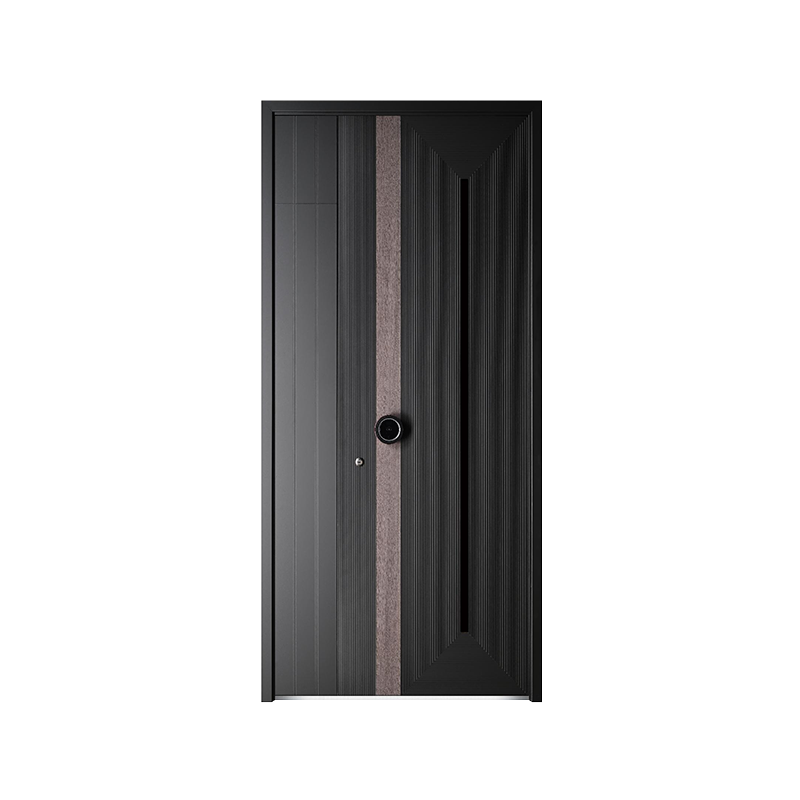
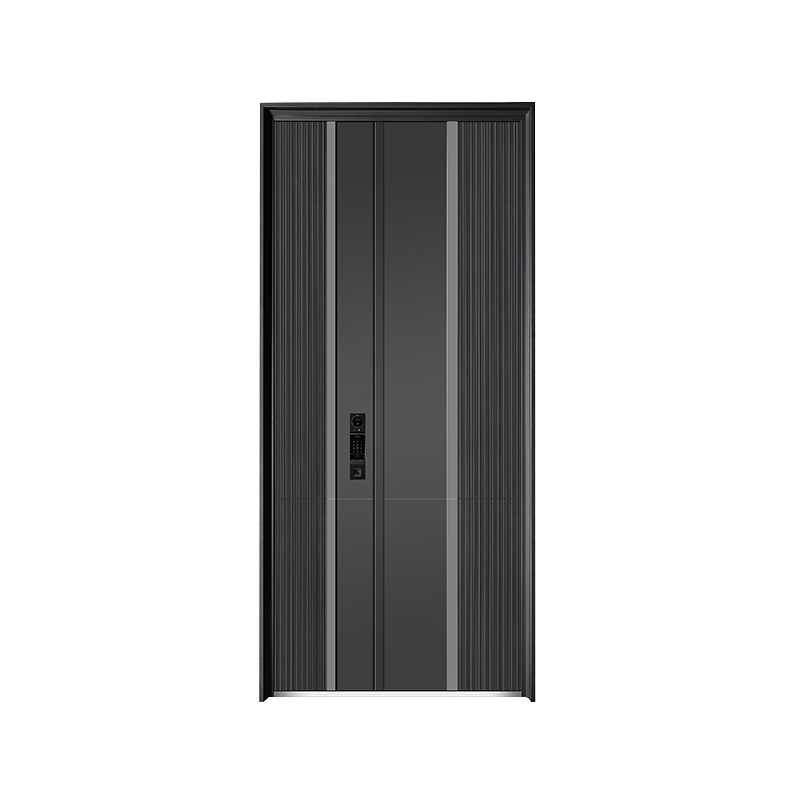
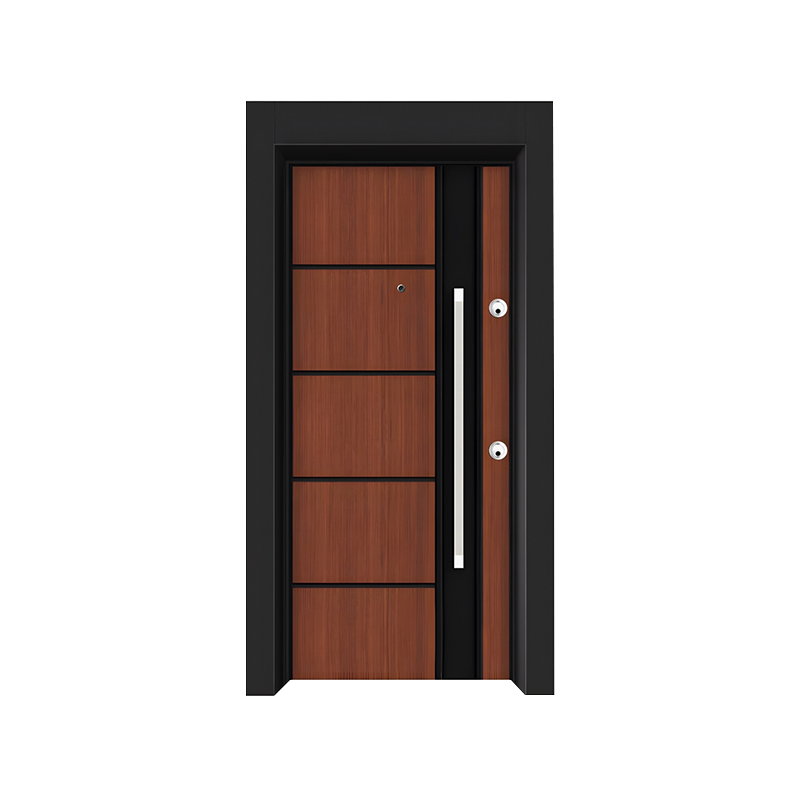
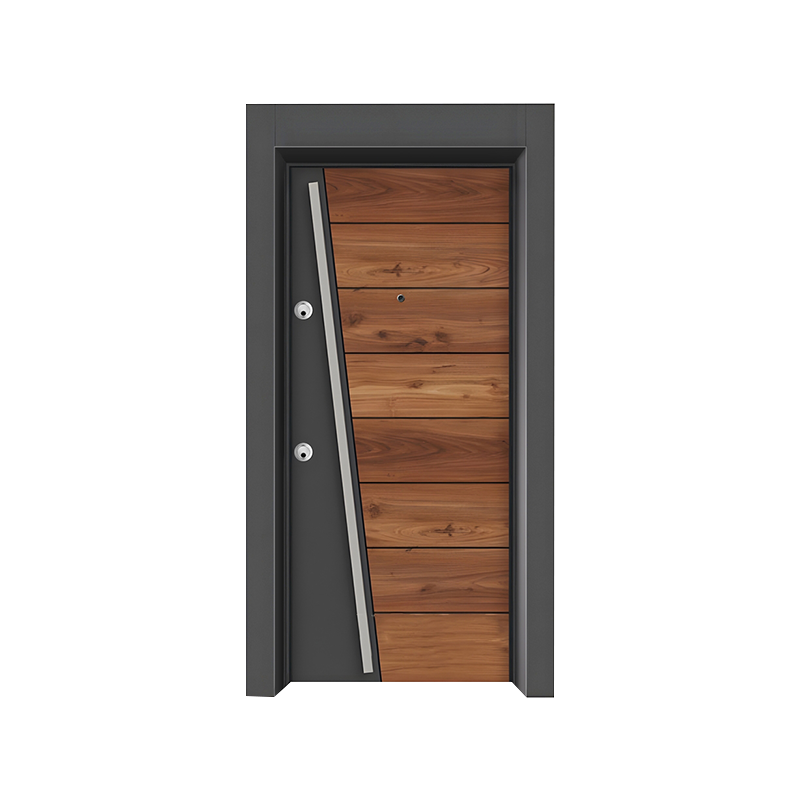
Aesthetic flexibility also contributes to the appeal of steel entrance doors. Modern manufacturing processes allow a variety of finishes — from painted metal surfaces to wood-look veneers, textured finishes, or glass-panel inserts — making it easier to match the door to exterior facades or architectural themes. Developers often choose styles that complement building design while retaining the structural benefits of steel.
Ease of installation is another practical factor. Pre-fabricated steel door units, with standard dimensions and pre-mounted hardware, allow quicker installation compared with custom-built systems. This installation efficiency reduces labor time and project delays, especially valuable in renovation projects or new builds with tight schedules.
For buyers and property managers reviewing entrance solutions, it is advisable to request detailed specifications — including material thickness, frame reinforcement, insulation rating, weather-proofing features, and hardware quality. Such information helps ensure that the selected door matches the building’s security needs, climate conditions, and long-term maintenance strategy.
In light of these considerations — security, durability, insulation, ease of maintenance, aesthetic flexibility, and installation efficiency — Steel Entrance Door stands out as a practical entryway solution. Its combined benefits offer value to residential, commercial, and mixed-use properties seeking reliability and performance over time.
 Previous