


 English
  русский
  عربى
عربى  Français
 Metal Steel Door
Product
Didn't find the product you like?
We gonna help you find matched one fast
Popular Products
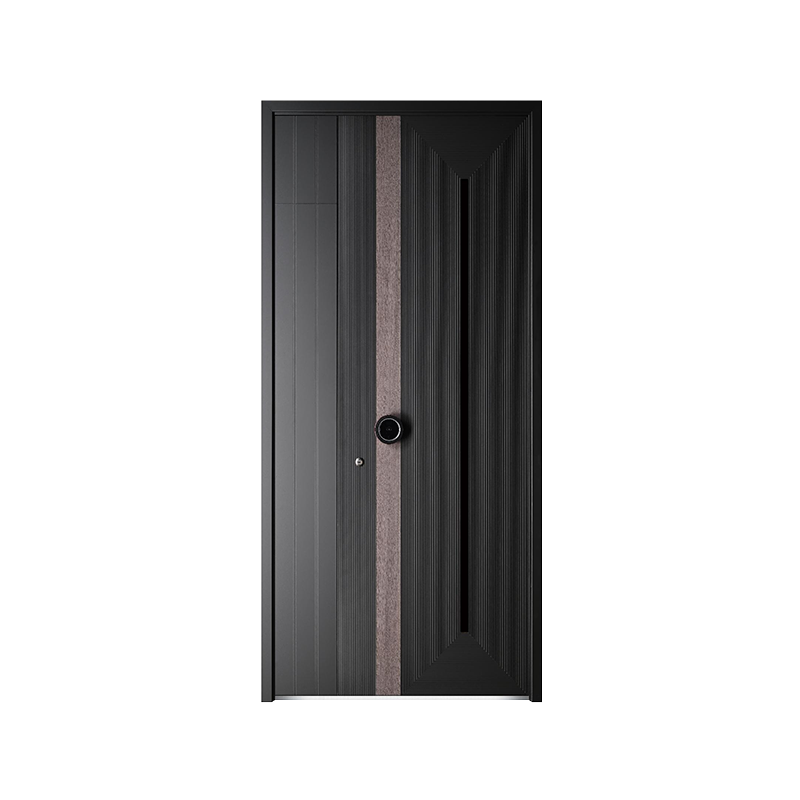
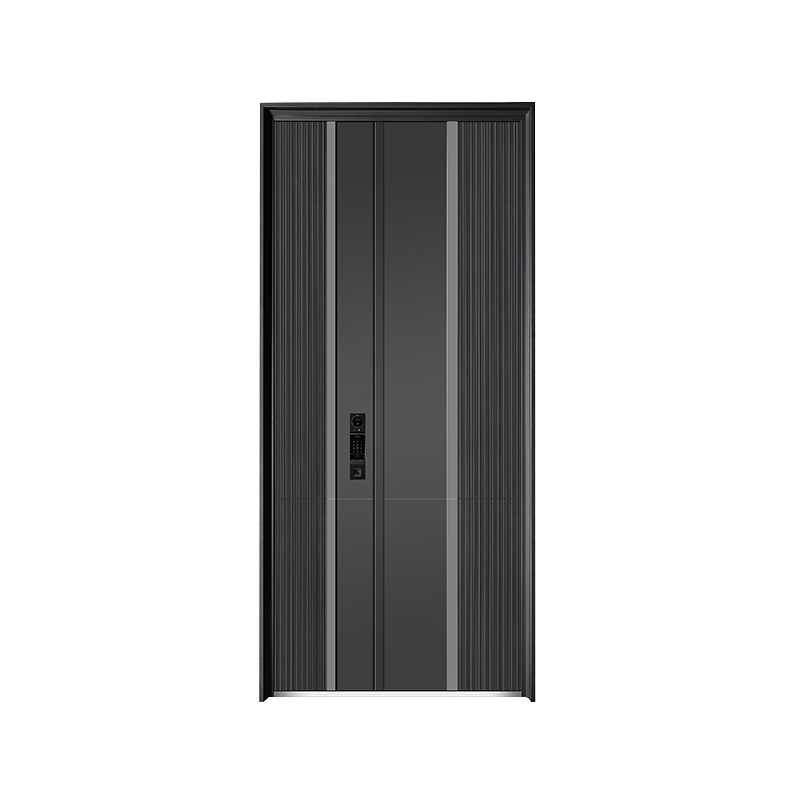
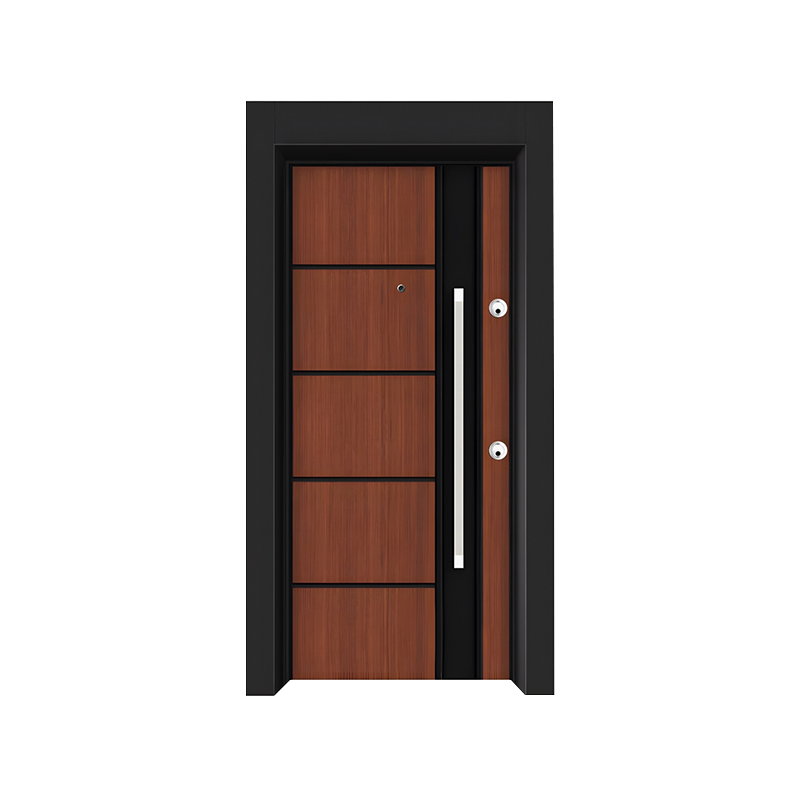
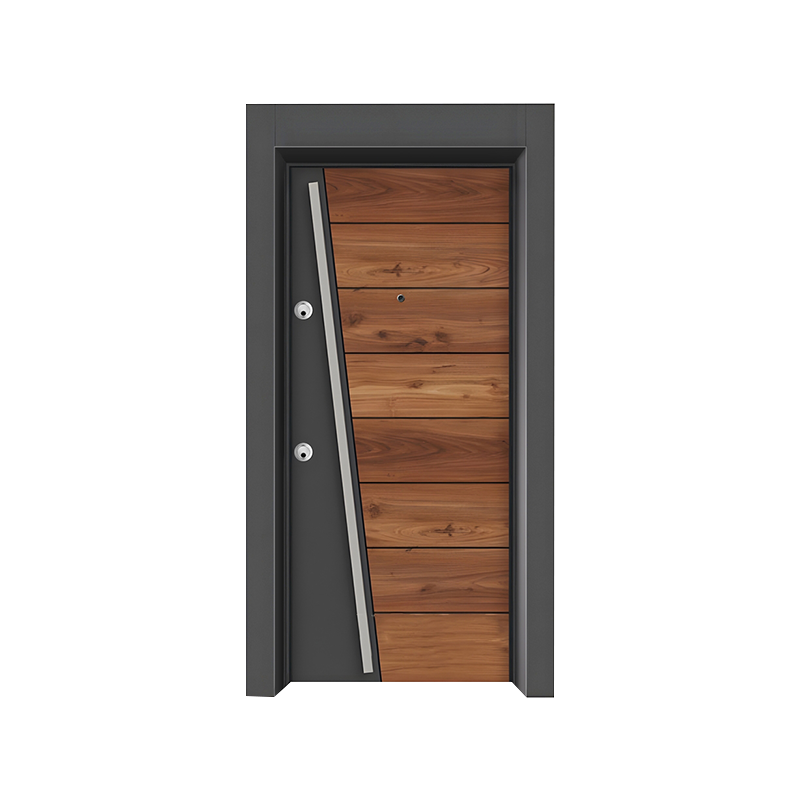
Didn't find the product you like?
We gonna help you find matched one fast


+86-13967452036
Metal Door solutions have become an important choice for building owners, property managers, and contractors looking to combine security, durability, and long-term performance. As residential and commercial projects increasingly demand reliable entry systems, metal doors offer multiple functional advantages over traditional materials.
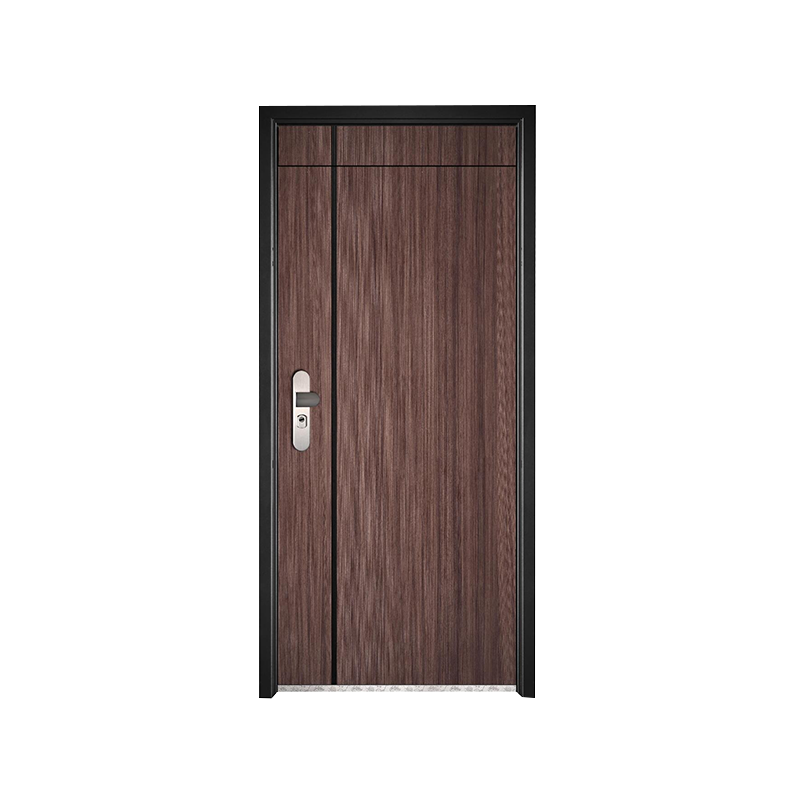
One of the valued attributes of a Metal Door is security and protection. Constructed with reinforced frames, heavy-gauge metal panels, and secure locking hardware, such doors provide significantly stronger resistance against forced entry or tampering than standard wood or hollow-core doors. In multi-unit dwellings, offices, or buildings in busy urban areas, this added security layer helps protect occupants and assets.
Durability and weather resistance stand out among the other strengths. Metal doors resist warping, swelling, rot, and insect damage — problems common with wooden doors. In regions prone to high humidity, heavy rain, or temperature fluctuation, metal doors with weather-resistant coatings and corrosion-proof hardware preserve their structure and function over many years. In multiple long-term building reviews, metal-framed entrance doors remained fully operational beyond five years without significant maintenance, while older wooden doors often required frequent repair or replacement.
Insulation and sealing performance have become increasingly important, especially in climates with hot summers or cold winters. Many metal doors come equipped with insulated cores, weather stripping, and tight-fit frames that help maintain indoor temperature, reduce energy consumption, and block external noise. Some buildings reported reductions in heating or cooling costs after replacing older doors with insulated metal models. Occupants also noted improved comfort and quieter interiors after the upgrade.
Maintenance and lifecycle cost are favorable for metal door installations. Since metal resists decay, cracking, and warping, repainting or structural repairs are seldom needed. Over a typical 10-year cycle, metal doors require far less upkeep than wood or composite alternatives. For property operators and building managers, this translates into reduced maintenance budgets and fewer disruptions for tenants.
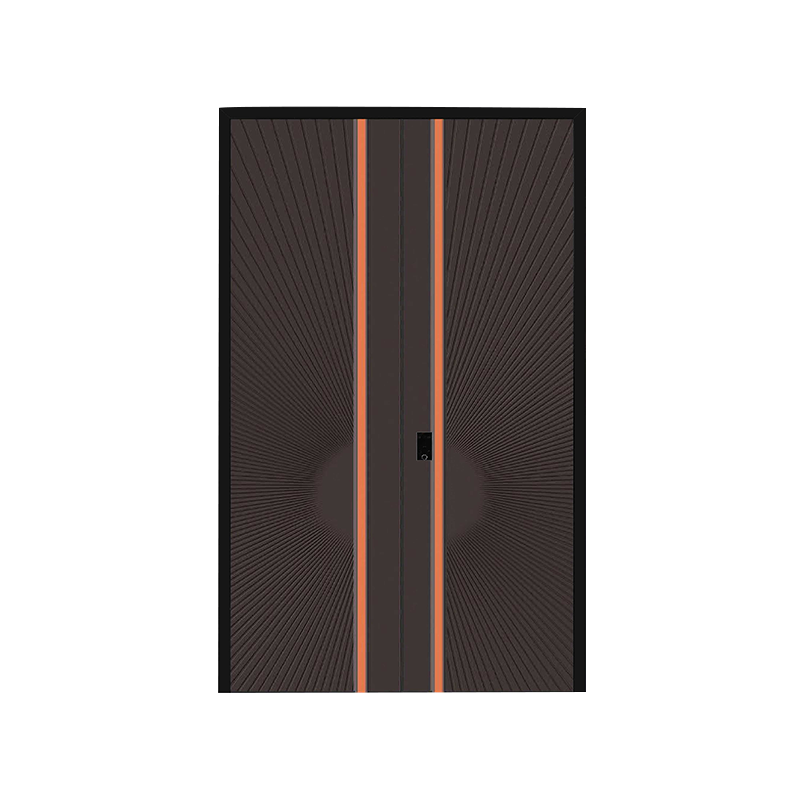
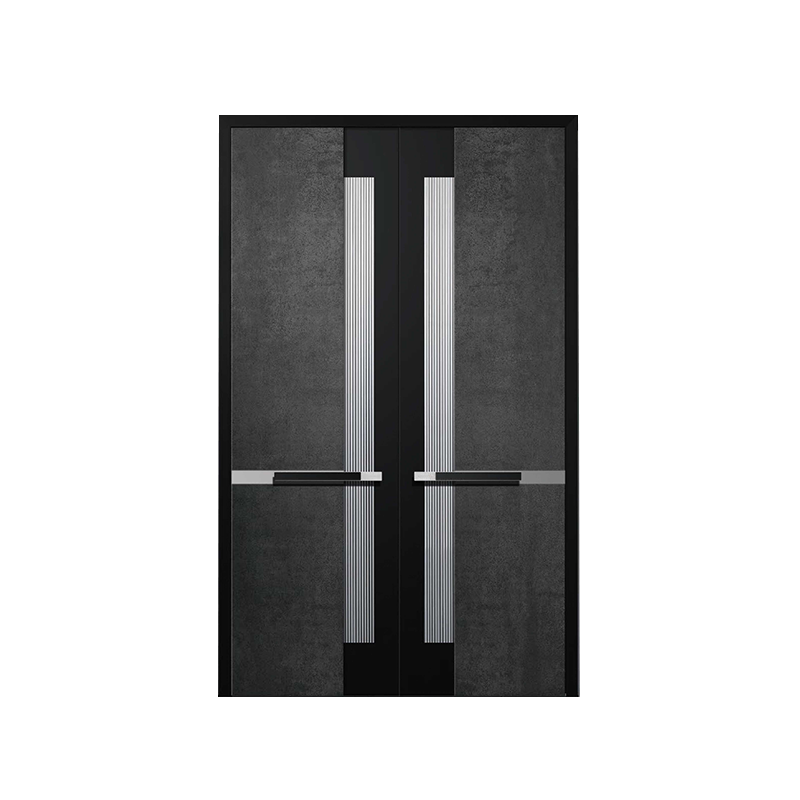
Despite being made of metal, modern Metal Door designs offer aesthetic flexibility. Available finishes range from painted steel, textured coatings, to veneers simulating wood grain, enabling architects and designers to match door style with building façade and interior décor. Glass-panel inserts or decorative elements further extend design possibilities. This blend of strength and style allows buildings to maintain curb appeal without compromising on safety.
Installation efficiency is another consideration. Prefabricated metal doors with standardized dimensions and pre-mounted hardware simplify the installation process. For renovation or new-construction projects with tight schedules, such doors reduce labor time and minimize delays. Modular door units can be swapped or upgraded easily, offering flexibility for future maintenance or security upgrades.
When selecting a door for a building entry or interior use, decision-makers often evaluate a combination of factors. A recent survey among building owners and property managers listed the following priorities:
Given these considerations, Metal Door installations provide a balanced solution for buildings requiring security, durability, comfort, and aesthetics. For property developers, facility managers, and homeowners comparing entry systems, metal doors offer a compelling value proposition that addresses multiple needs simultaneously.
Metal Door remains a practical, versatile choice for modern buildings and represents a reliable option for entry and interior use across residential, commercial, and mixed-use properties.
 Previous