


 English
  русский
  عربى
عربى  Français
 Metal Steel Door
Product
Didn't find the product you like?
We gonna help you find matched one fast
Popular Products
Didn't find the product you like?
We gonna help you find matched one fast


+86-13967452036
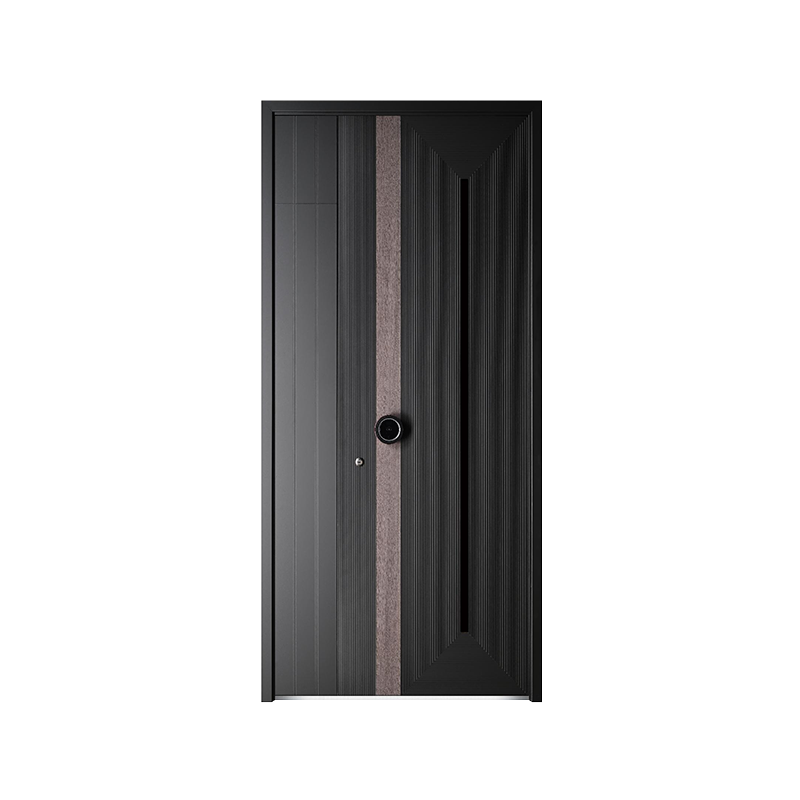
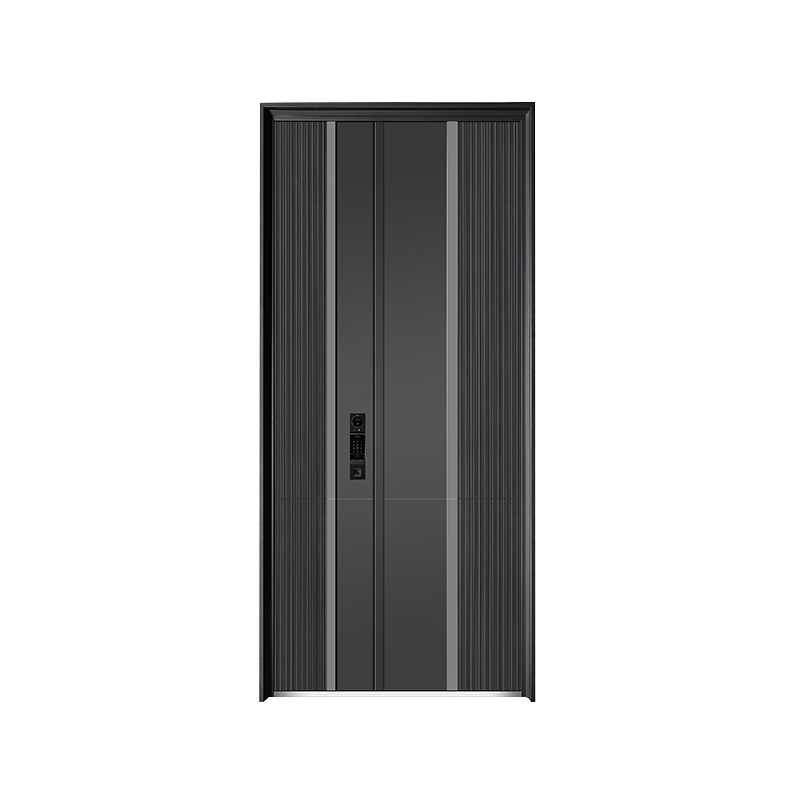
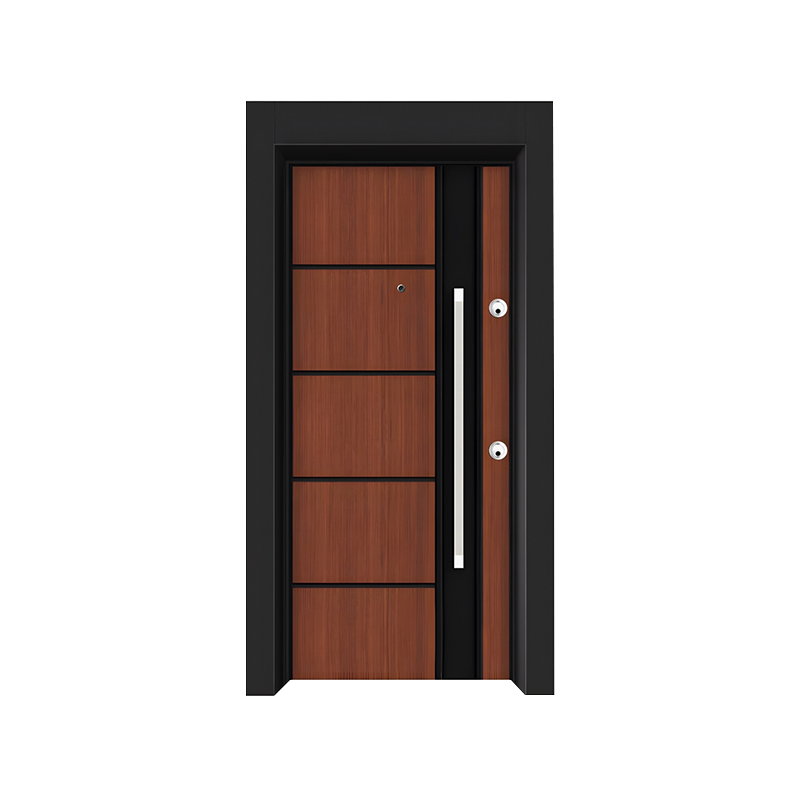
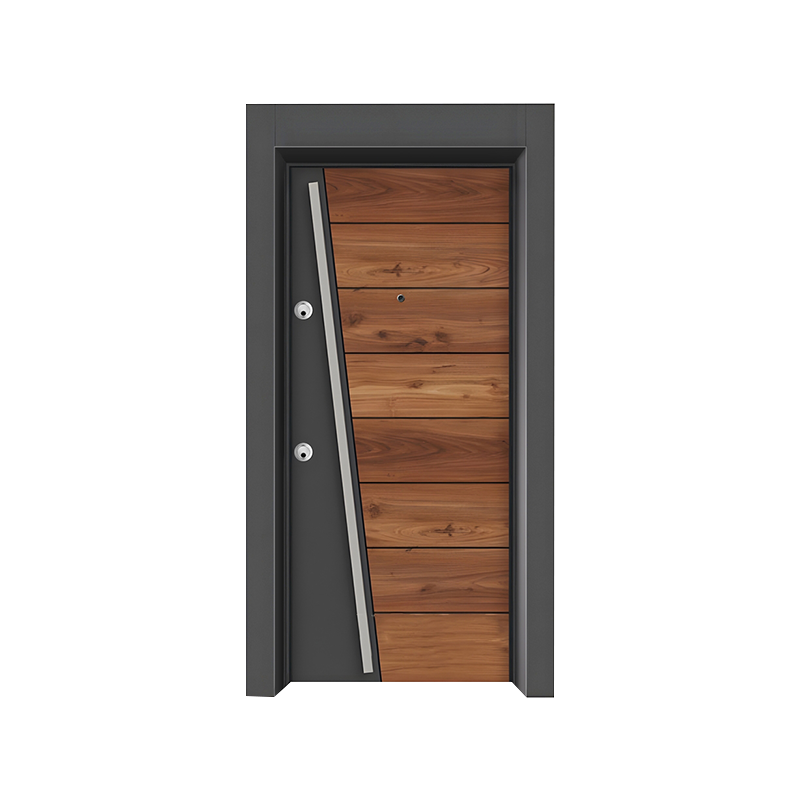
Villa Entrance Door selection often starts with a clear focus on security and appearance. For homeowners and designers, the entrance is both a protective barrier and a visual statement. A well-chosen villa door balances reinforced structure, weather resistance, and a finish that complements the overall architecture.
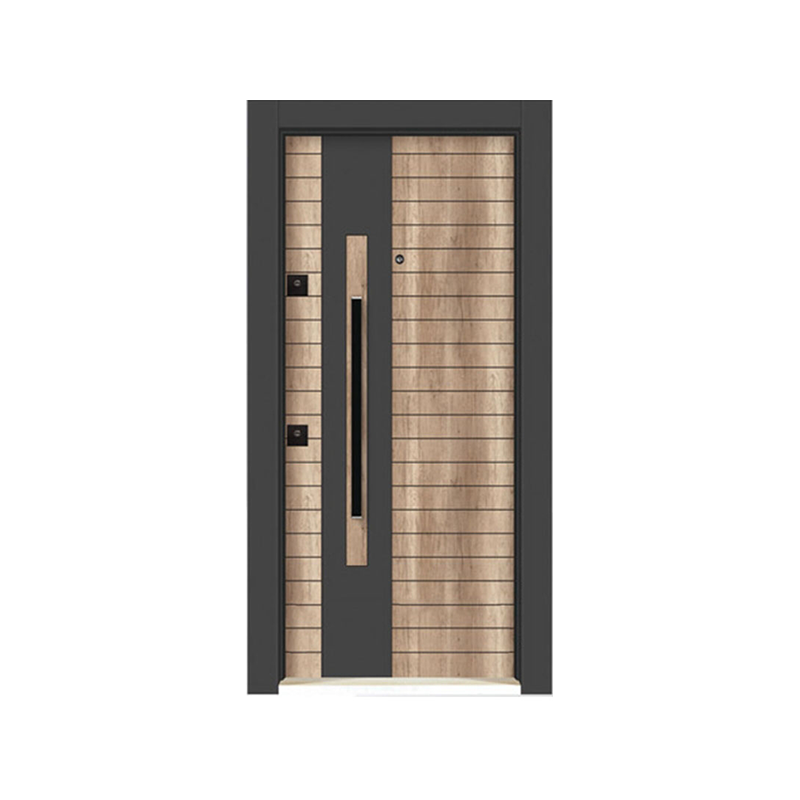
Security features commonly include reinforced frames, multi-point locking systems, and tamper-resistant hinges. These elements work together to reduce vulnerability at the primary access point. For multi-family or remote villas, adding an access control system—such as keypad entry or biometric locks—provides an extra layer of controlled access.
Material choice plays a major role in long-term performance. Steel and aluminum offer strong resistance to impact and moisture. Wood or wood-effect panels provide a warm look but require surface treatment and periodic maintenance. Hybrid constructions combine a metal core with decorative overlays to achieve both strength and aesthetic flexibility.
Thermal performance is another practical concern. Many villa doors include insulated cores and tight weather stripping to limit heat loss and reduce drafts. In some installations, improved sealing and insulated panels can reduce heating or cooling workloads, helping maintain comfortable indoor temperatures.
Noise control and privacy are important in residential settings. Multi-layer doors with sealed frames help block exterior noise. For villas located near roads or communal areas, acoustic performance enhances daily comfort for occupants.
Design and customization options are extensive. Choices include glass insets, sidelights, decorative grilles, and colored finishes. Glass inserts require laminated or tempered glazing and secure framing to preserve safety while allowing natural light. Designers often match door finishes to exterior cladding, roof color, or landscape elements to create a cohesive entrance composition.
Maintenance considerations influence lifecycle cost. Corrosion-resistant coatings, stainless steel hardware, and galvanized frames reduce upkeep needs. For seaside villas, extra protection against salt air and humidity is often specified to prevent premature material degradation.
Practical installation aspects include prefabricated versus custom assemblies. Prefabricated doors with standardized frames can shorten installation time and reduce labor costs. Custom doors offer exact dimensional fit and unique finishes but may extend time and installation complexity.
Some clients request integrated technology. Typical options include integrated video intercoms, automated closers, weather sensors for sealing adjustments, and remote access features. These additions help manage convenience and security, especially for properties with staff or remote owners.
When evaluating options, decision makers often weigh common performance metrics:
For buyers and property managers, asking suppliers for specification sheets that list material grades, insulation R-value, hardware grade, and installation guidelines is useful. Clear technical details make it easier to compare alternatives and obtain accurate quotes.
In summary, Villa Entrance Door selection brings together security, insulation, aesthetics, and maintenance planning. A considered choice helps protect property, supports occupant comfort, and presents a welcoming facade. For those preparing procurement or renovation plans, a focus on specification, installation method, and service support can result in a door that meets both functional and visual needs.
 Previous