


 English
  русский
  عربى
عربى  Français
 Metal Steel Door
Product
Didn't find the product you like?
We gonna help you find matched one fast
Popular Products
Didn't find the product you like?
We gonna help you find matched one fast


+86-13967452036
Building Entrance Door design and selection have become a central concern for many developers, property managers, and building owners who aim to balance safety, durability, comfort, and aesthetics. As buildings age and climate considerations grow, entrance doors are evaluated not only for basic function but for long-term performance under varied conditions.
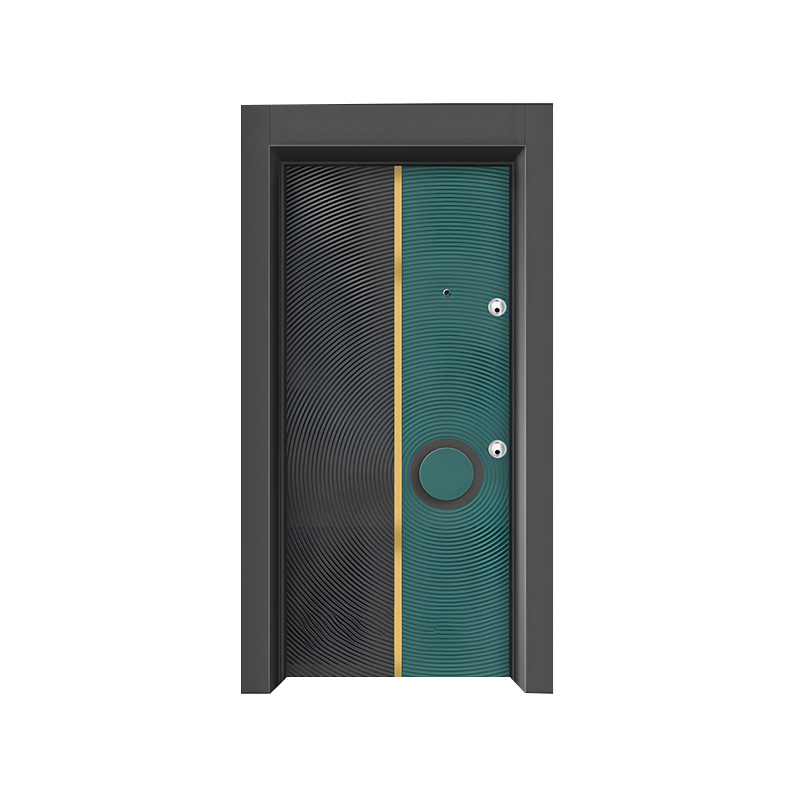
One major factor in entrance door choice is security and protection. Many stakeholders emphasize the importance of doors with reinforced frames, robust locking mechanisms, fire-resistant materials, and break-resistant glass. For multi-unit residential buildings or commercial sites, entrance doors often serve as the one line of defense against unauthorized access. Data from recent installation surveys suggest that doors with reinforced metal frames reduce unauthorized entry incidents by a substantial margin compared with basic wooden or hollow-core doors.
Durability and material performance also play a significant role. Common materials include steel, aluminum alloy, composite panels, and reinforced glass inserts. Doors built with weather-resistant coatings and corrosion-resistant hardware tend to maintain structural integrity for many years even under harsh weather, heavy rain, or coastal salt exposure. In a sample of mid-size apartment buildings, owners reported that metal-framed entrance doors retained proper alignment and smooth operation after five years, while older wooden doors often needed frequent adjustment or replacement.
Another important consideration is energy efficiency and insulation. In regions with changing seasons or cooler climates, entrance doors with good sealing, thermal insulation, and sound-proofing properties help maintain indoor comfort and reduce energy costs. Some high-performance doors feature multi-layer insulation cores, weather stripping, and double-glazed panels. Reports from buildings using insulated doors show reductions in heating/cooling load by up to 8–12% compared to basic uninsulated entrances.
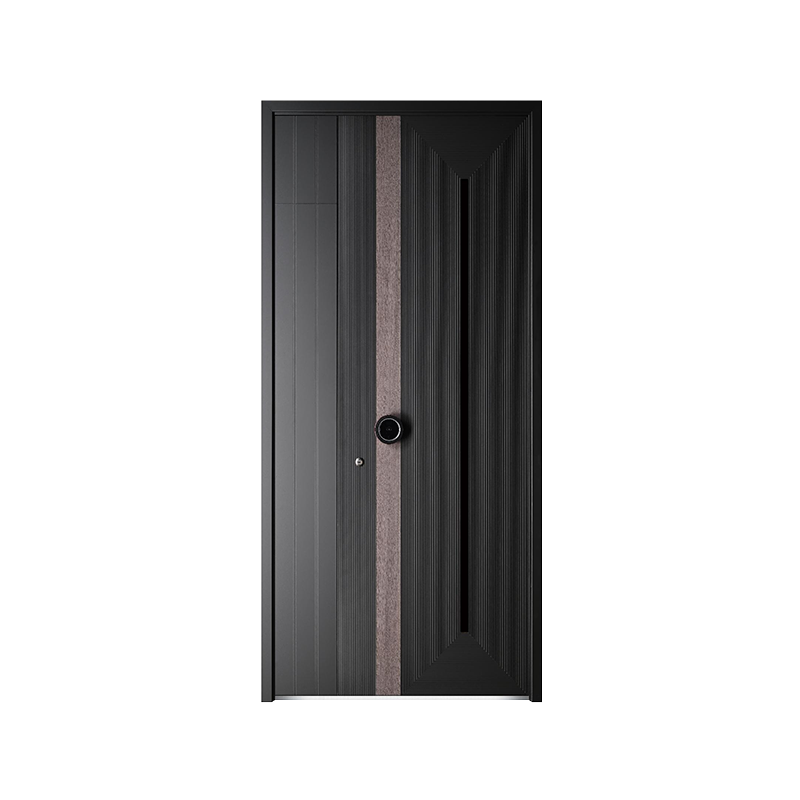
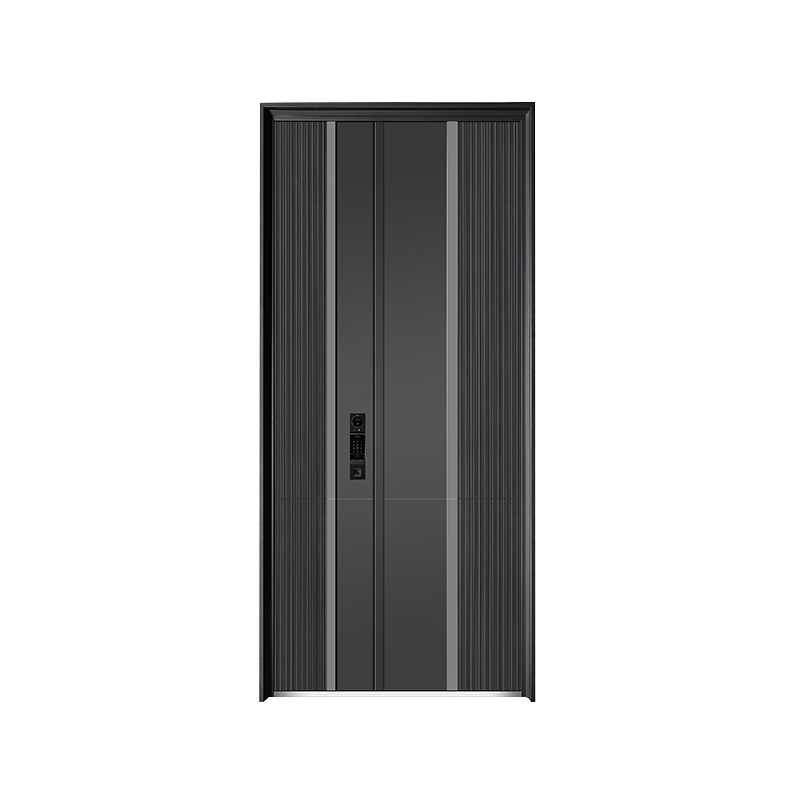
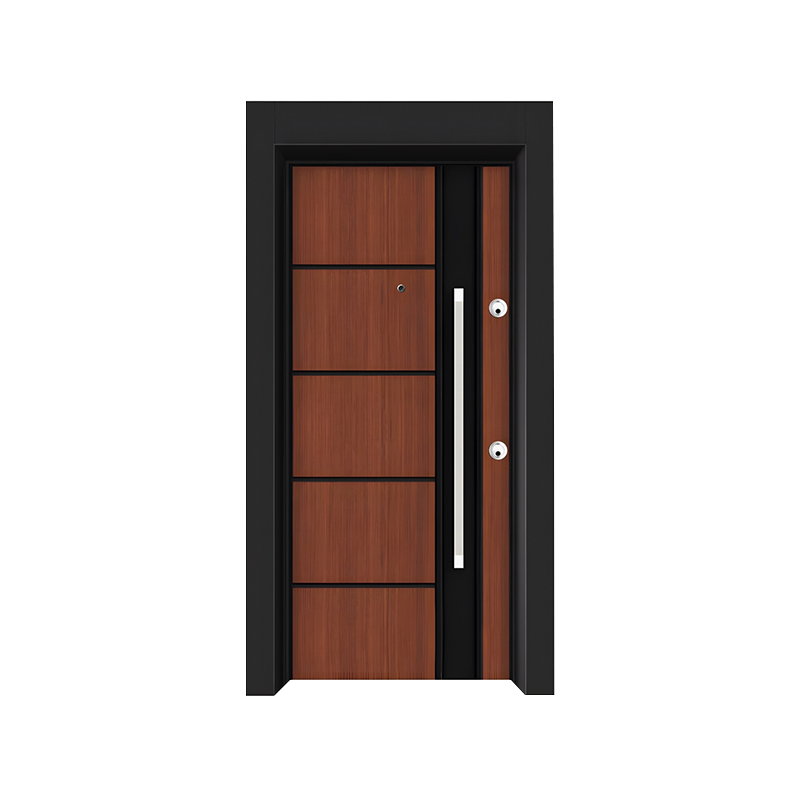
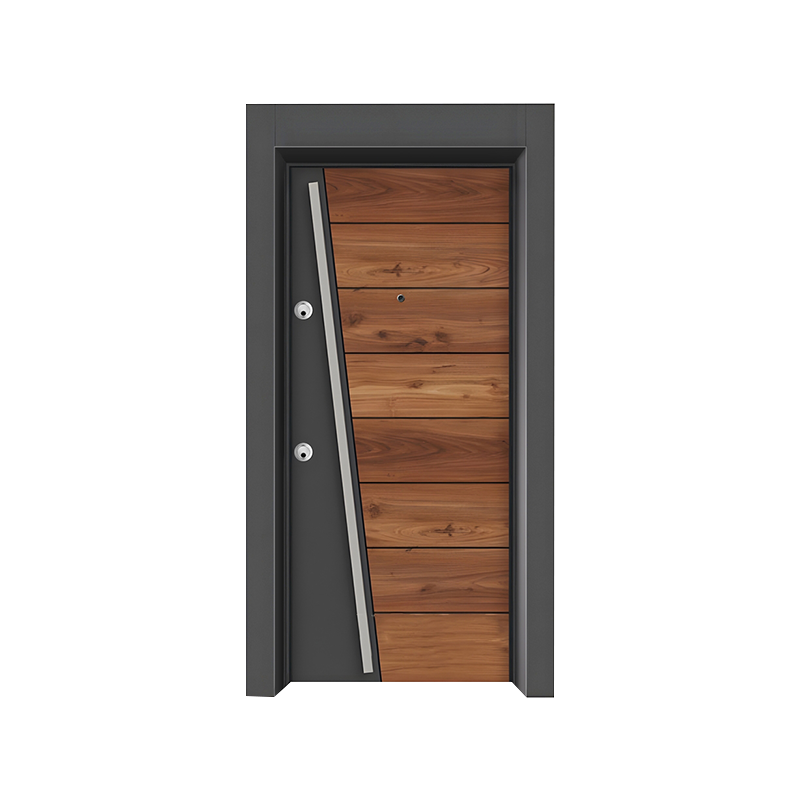
Design and aesthetics remain a key concern for many buyers. Entrance doors now come in a variety of finishes — from sleek modern aluminum and glass combinations to classical wood-style veneers with decorative panels or glass insets. Developers often choose door styles that harmonize with building facades, entryways, and common-area design themes. Aesthetically pleasing doors not only add curb-appeal but also contribute to perceived property value and resident satisfaction.
Maintenance and lifecycle cost are frequent discussion points. Durable materials, rust-proof hardware, and weatherproof coatings reduce the need for regular upkeep. In many cases, choosing a door with good finish and hardware quality lowers maintenance frequency to once every few years rather than annually. For property managers, this translates into cost savings and less manpower for upkeep.
Installation simplicity and cost-effectiveness also affect decision making. Prefabricated door systems with modular frames, pre-drilled fittings, and standardized dimensions allow quicker installation, often reducing labor and project time compared with custom-built doors. For renovation projects, this ease of installation is a major advantage.
Compliance with building regulations rounds out key requirements. Entrance doors must meet local codes for fire resistance, accessibility (including wheelchair access), emergency exit standards, and security locking standards. Selecting a door that fulfills these requirements upfront can prevent costly modifications or reworks later.
Putting these aspects together: many building owners and property developers are now turning to entrance door solutions that offer security, durability, insulation, aesthetic design, low maintenance, and regulatory compliance — all within a manageable installation and budget framework. For buildings seeking long-term value and resident satisfaction, such door choices represent a practical investment.
Overall, Building Entrance Door selection reflects a holistic balance between functional performance, environmental conditions, user comfort, and design harmony. As demand for well-rounded entrance solutions grows, door systems that deliver on multiple fronts are likely to attract steady interest and inquiries.
 Previous