


 English
  русский
  عربى
عربى  Français
 Metal Steel Door
Product
Didn't find the product you like?
We gonna help you find matched one fast
Popular Products
Didn't find the product you like?
We gonna help you find matched one fast


+86-13967452036
For homeowners and designers seeking a balance between structural integrity and visual character, the iron door continues to attract attention. Often associated with custom homes and distinctive entrances, iron doors are discussed not only as functional elements but also as architectural features that shape one impressions. Think of them as the door equivalent of a handshake: solid, confident, and memorable.
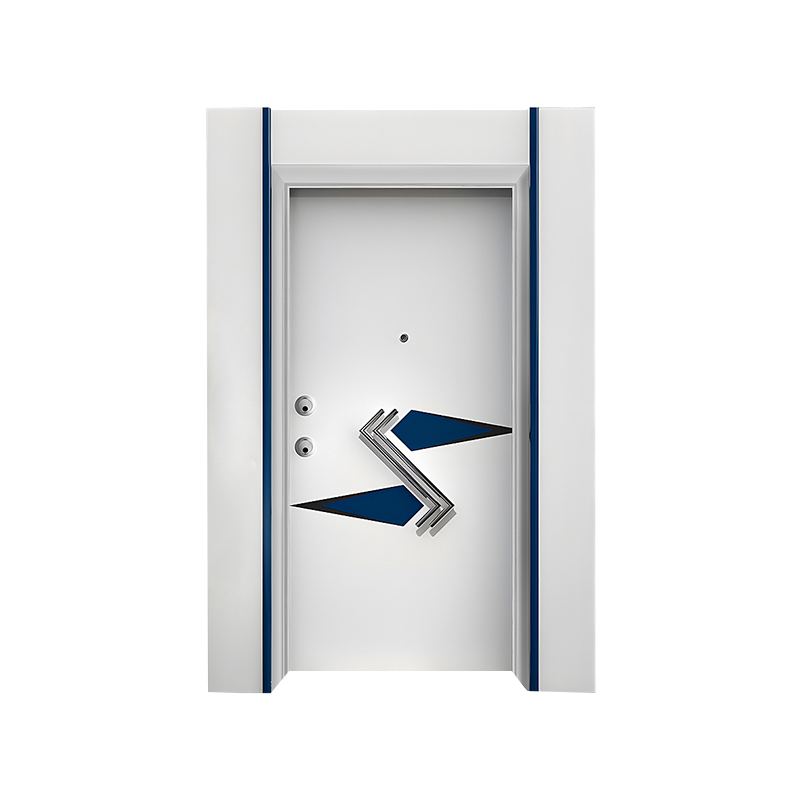
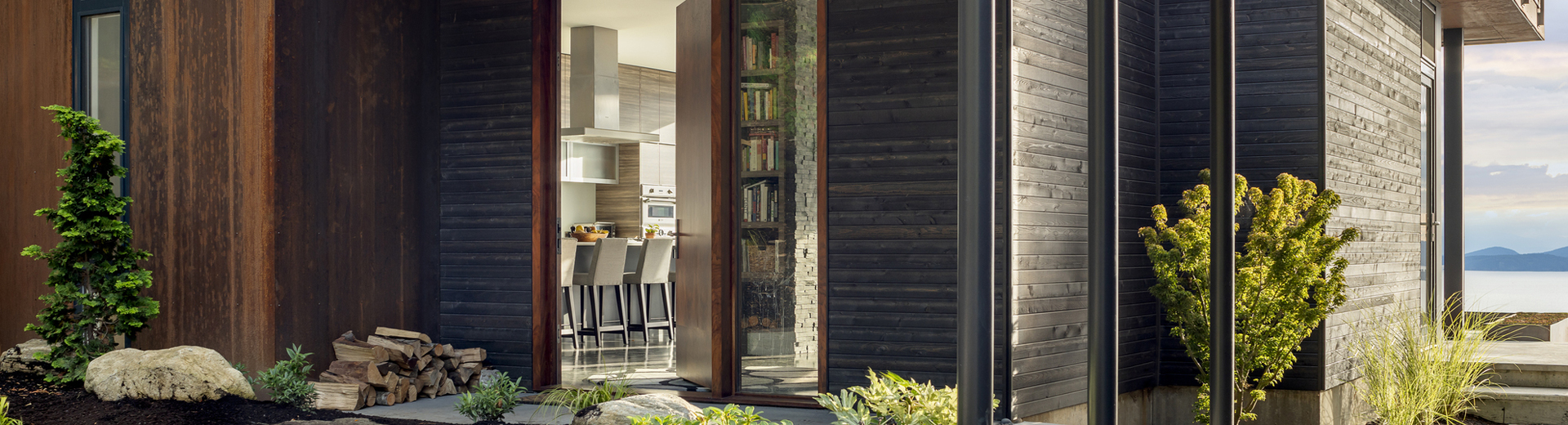
One topic that regularly comes up is craftsmanship. Many iron doors feature intricate metalwork that emphasizes curves, geometric patterns, or hand-finished details. These features allow iron doors to serve as both entry points and decorative statements. In residential projects, it’s not unusual for a customized iron door to complement a stone facade, matching exterior trim or echoing architectural motifs.
Security remains a key reason iron doors stay in design conversations. Their solid construction and weight make them an effective physical barrier at entry points. Residential security assessments suggest that reinforced iron doors can reduce forced-entry attempts noticeably compared with standard wood or composite doors. In standalone homes where the front entrance is the main access point, this added strength provides homeowners with peace of mind without requiring additional layers of fencing or security systems.
Thermal performance is also increasingly part of the discussion. Modern iron doors often include insulated cores and well-sealed frames to manage indoor temperatures. In regions with pronounced seasonal temperature swings, insulated iron doors can reduce heat transfer by measurable margins, which contributes to lower energy use for heating and cooling. Home energy audits in properties with iron doors have shown improvements in thermal efficiency by up to 10 percent compared with older, uninsulated metal doors.
Maintenance considerations are also relevant. While iron doors are highly durable, they require protective finishes to prevent surface corrosion in humid or coastal climates. Homeowners often report that a simple surface treatment every few years preserves both appearance and structural integrity. For many, this minor maintenance is considered a fair trade-off for decades of reliable service.
Iron doors also feature prominently in renovation projects. Swapping an existing entryway for an iron door can significantly refresh a home’s exterior character without altering structural elements. Designers often note that this approach is a cost-conscious way to enhance curb appeal while maintaining functionality, giving properties a subtle boost in perceived value.
In residential architecture, the iron door continues to be both practical and expressive. By blending structural strength with decorative detail, iron doors play a distinct role in how homes are perceived, offering security, elegance, and a touch of personality—all in one entryway solution.
FAQ
Q1: Are iron doors mainly used in residential buildings?
They are common in homes but can also appear in boutique commercial properties or small offices seeking distinctive entrances.
Q2: Do iron doors provide insulation?
Many modern designs include insulated cores and tight seals, improving thermal performance.
Q3: Is maintenance difficult for iron doors?
Routine surface care, including occasional protective coating, helps maintain appearance and durability over time.
Q4: Can iron doors be customized?
Yes, they are frequently tailored to match specific architectural styles and exterior designs.
Q5: How long can an iron door typically last?
With regular maintenance, iron doors can serve reliably for decades, often outlasting other common entry materials.
 Previous