


 English
  русский
  عربى
عربى  Français
 Metal Steel Door
Product
Didn't find the product you like?
We gonna help you find matched one fast
Popular Products
Didn't find the product you like?
We gonna help you find matched one fast


+86-13967452036
In both residential and commercial construction, the steel door has quietly earned its reputation as the dependable coworker you don’t always notice—but couldn’t do without. From bustling apartment buildings to light industrial facilities, steel doors are often chosen for their ability to blend security, durability, and a cost that won’t make accountants faint. Unlike flashy glass facades or ornate entryways, these doors are more like the unsung heroes: steady, reliable, and never asking for applause.
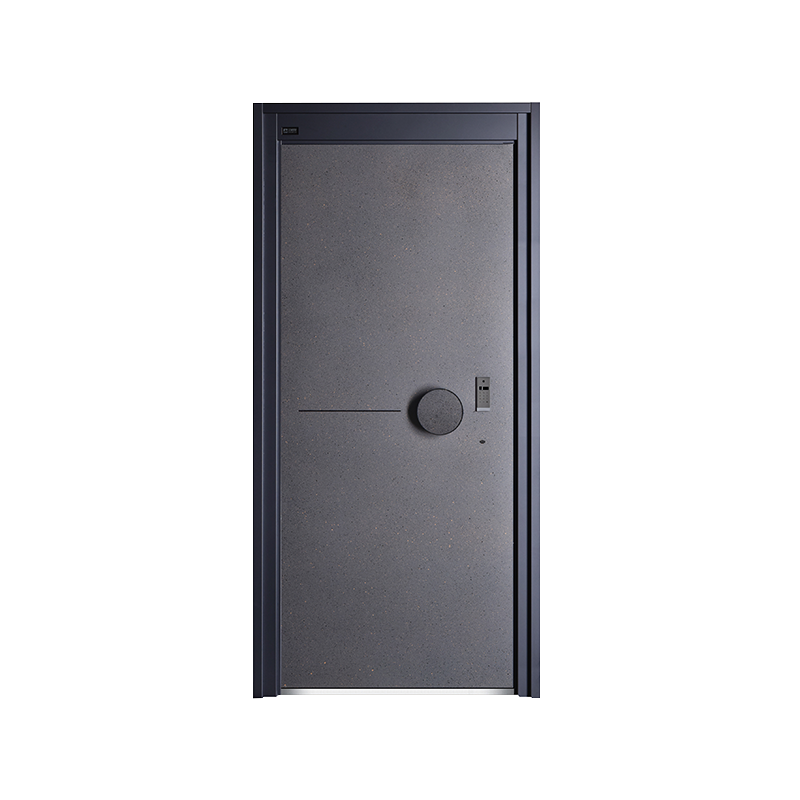
One of the talked-about features of steel doors is safety performance. These doors are frequently installed in areas where controlled access is essential—think storage rooms that house office supplies nobody wants “borrowed” or shared corridors that see the occasional trolley collision. Assessments suggest that steel door assemblies can handle impact forces significantly higher than their wooden counterparts. In multi-unit buildings, this means a steel door might shrug off minor accidents, bumps, or the occasional overenthusiastic toddler without losing composure. In other words, it’s the kind of toughness that silently inspires confidence.
Fire and code compliance is another area where steel doors earn their stripes—or perhaps their powder-coated finish. Many are designed to meet fire-resistance requirements for public and multi-family buildings. Fire-rated cores are often installed in stairwells and hallway access points, supporting evacuation planning while giving facility managers a little less stress during inspections. Standardized steel door systems simplify maintenance schedules, too, because every piece is built around consistent specifications—no need to guess which door fits which frame, a welcome relief for anyone who has wrestled with mismatched hardware.
Design flexibility has also become part of the conversation. Steel doors were once the poster child for “industrial chic,” which, while sturdy, didn’t exactly scream interior elegance. Modern models, however, offer smooth coatings, neutral tones, and optional glazing panels that blend seamlessly into office spaces and residential interiors. Architects appreciate the mix of function and visual discretion—it’s like getting a door that works hard but dresses nicely for the party.
Cost efficiency is another practical bonus. Steel doors often last longer under normal use conditions, which can reduce the frequency of replacements. Maintenance records indicate that these doors may stay in service several years longer than lighter alternatives in high-traffic areas. Over time, this durability contributes to steadier maintenance budgets—no surprises, no frantic weekend calls about doors “that just gave up.”
Environmentally minded builders also take note. Many steel doors are made with recyclable materials, and when a door reaches the end of its functional life, the metal can often be reprocessed instead of ending up in a landfill. Responsible material selection meets practicality—like choosing a superhero who recycles.
In daily construction and facility management, the steel door remains a steadfast presence. It quietly combines strength, compliance, and practicality without asking for a standing ovation. So, while it may not turn heads or feature in glossy architectural magazines, the steel door continues to protect, organize, and endure—one dependable swing at a time.
FAQ
Q1: Where are steel doors commonly installed?
They are frequently used in residential buildings, offices, service areas, and shared corridors where durability is key.
Q2: Are steel doors suitable for fire-rated applications?
Yes, many steel doors are designed with fire-resistant cores that meet building code requirements.
Q3: Do steel doors require special maintenance?
Routine inspections and basic surface cleaning are typically enough to keep them in good shape.
Q4: Can steel doors be customized in appearance?
Absolutely. Options include a variety of finishes, neutral tones, and even glass panels for a mix of function and style.
Q5: How long can a steel door typically last under normal use?
In high-traffic areas, maintenance records suggest steel doors may remain functional several years longer than lighter alternatives.
 Previous