


 English
  русский
  عربى
عربى  Français
 Metal Steel Door
Product
Didn't find the product you like?
We gonna help you find matched one fast
Popular Products
Didn't find the product you like?
We gonna help you find matched one fast


+86-13967452036
Armored doors are no longer limited to specialized or restricted environments. In recent years, they have increasingly appeared in residential buildings, offices, and mixed-use properties, reflecting a broader shift in how security is planned and implemented. Rather than being viewed as measures, armored doors are now often discussed as practical structural elements that address common concerns around safety, privacy, and access control.
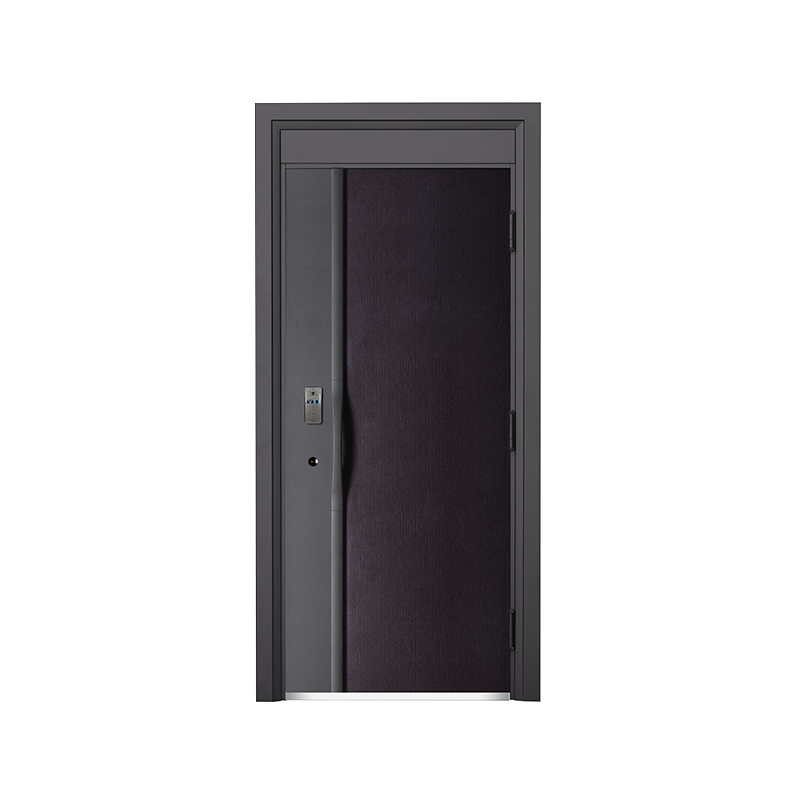
At the core of this is the issue of unauthorized entry. Doors remain one of the frequently targeted points in break-ins, accounting for a significant share of forced-entry incidents worldwide. More than 60% of residential intrusions involve compromised doors or door frames. Armored doors are designed to respond to this vulnerability by reinforcing both the door leaf and the surrounding structure. Steel layers, reinforced hinges, and multi-point locking mechanisms are intended to increase resistance time, which can be critical in discouraging intrusion or allowing occupants to respond.
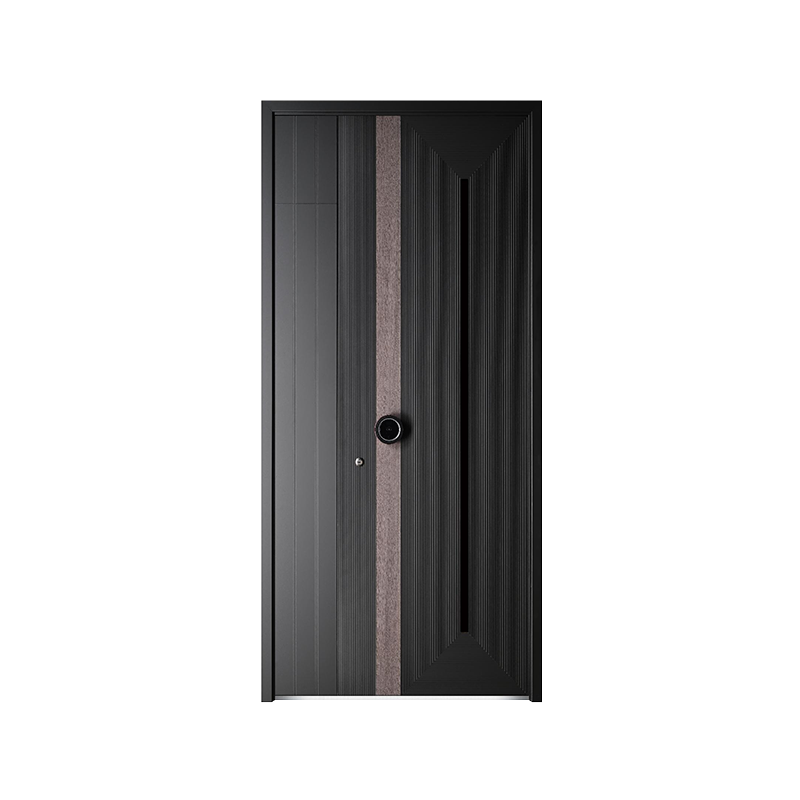
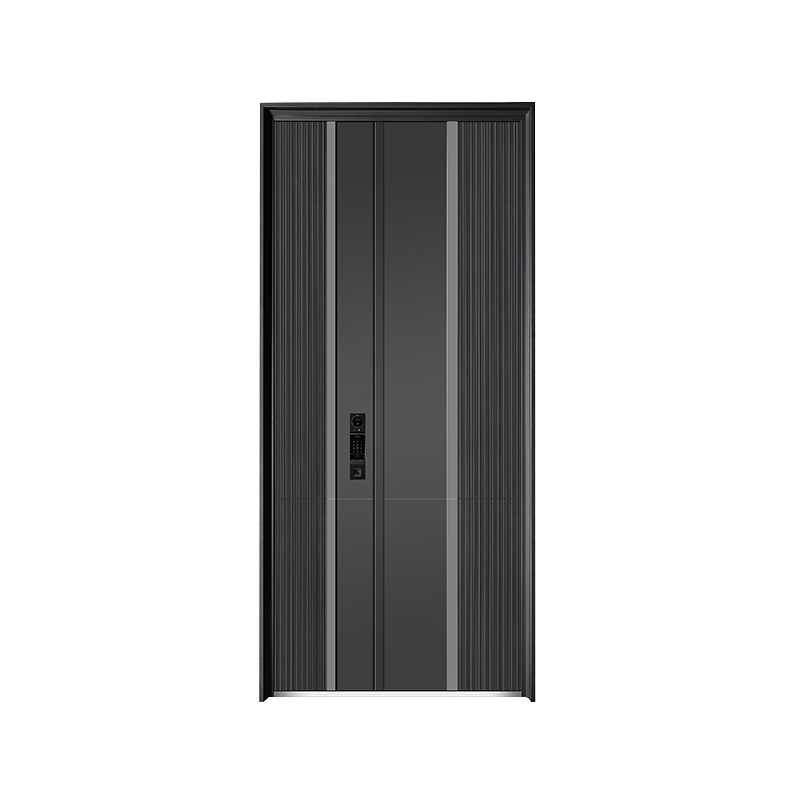
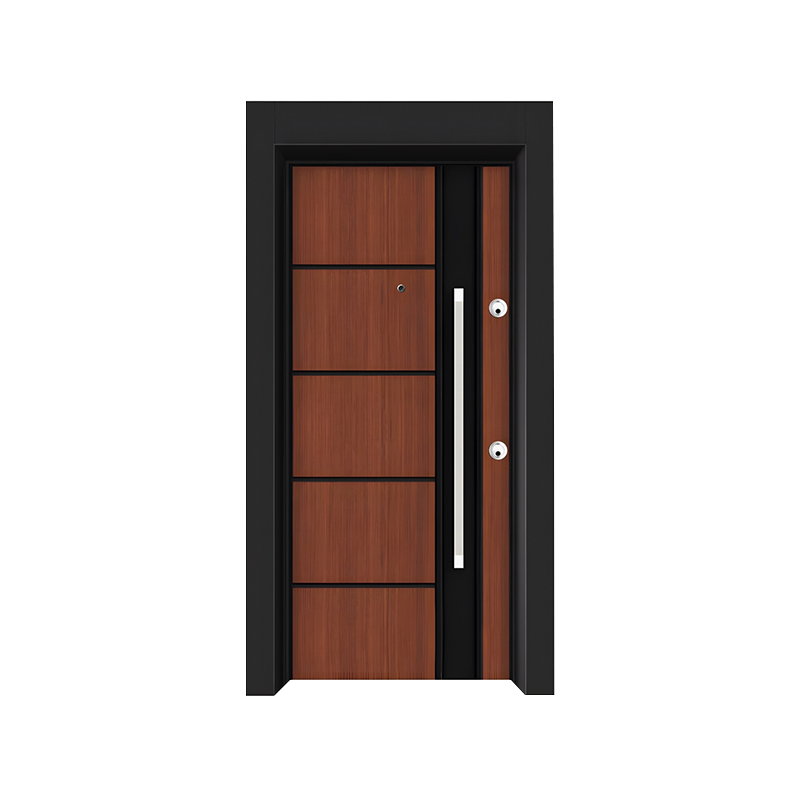
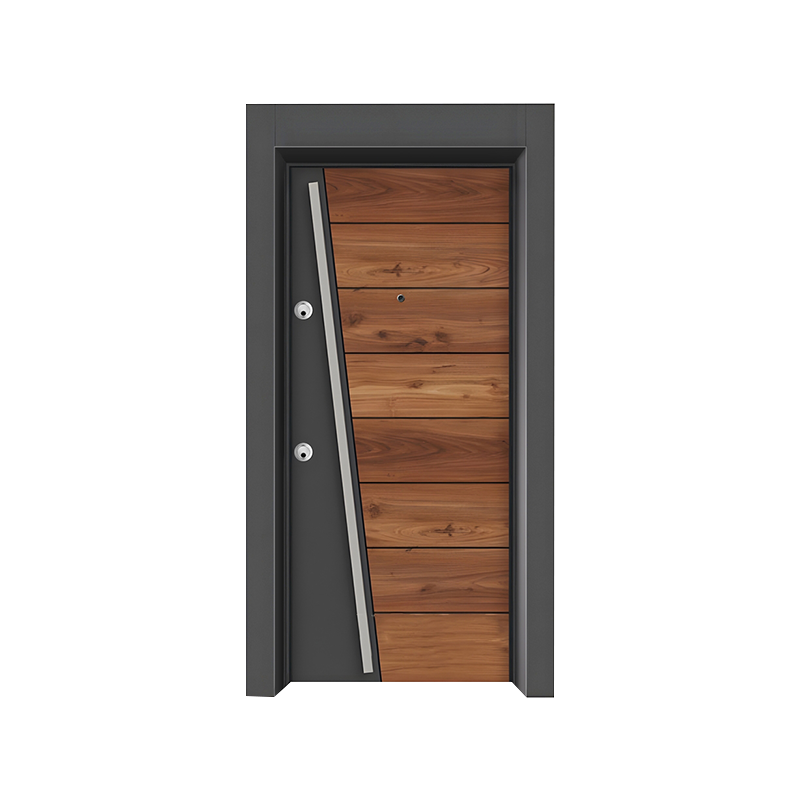
Another reason armored doors are gaining attention is their ability to adapt to modern architectural expectations. Earlier generations of reinforced doors often emphasized function over form, resulting in an industrial appearance. Today, armored doors are frequently customized to align with interior and exterior design themes. Smooth finishes, natural textures, and concealed security components allow these doors to visually resemble standard doors while maintaining their protective structure. This has made them more acceptable in residential apartments, office corridors, and hospitality environments where aesthetics matter.
Technology has further influenced how armored doors are used and perceived. Many are now compatible with digital access systems, including biometric verification, encrypted keypads, and remote monitoring tools. As digital access becomes more common, physical security is expected to support electronic control rather than operate separately. In office environments, this allows access permissions to be updated without changing hardware. In homes, it enables residents to monitor entry activity or grant temporary access without physical keys.
Armored doors are also being incorporated into internal spaces rather than only at main entrances. In some properties, interior rooms are reinforced to serve as temporary safe areas during emergencies. An armored door plays a central role in these spaces by separating occupants from potential threats and providing additional protection against forced access. While not every building includes such features, their presence reflects a growing emphasis on layered security, where multiple protective measures work together rather than relying on a single barrier.
From a construction and planning perspective, armored doors are now often considered earlier in the design process. Builders and property owners are evaluating security needs alongside layout, materials, and long-term maintenance. This approach allows armored doors to be integrated more naturally into buildings rather than added later as visible reinforcements.
Overall, armored doors represent a practical response to common security challenges rather than a symbol of protection.
FAQ
What makes a door “armored”?
An armored door typically includes reinforced materials such as steel cores, strengthened frames, and advanced locking systems designed to resist forced entry.
Are armored doors suitable for homes?
Yes. Many homeowners choose armored doors for added security, especially in urban areas or buildings with shared access points.
Do armored doors require special maintenance?
Maintenance is generally similar to standard doors, though locks and electronic components may require periodic inspection.
Can armored doors be installed inside a building?
Yes. They are often used for interior rooms that require higher security or controlled access.
Are armored doors compatible with electronic locks?
Most modern armored doors can be designed to work with electronic or smart locking systems.
 Previous