


 English
  русский
  عربى
عربى  Français
 Metal Steel Door
Product
Didn't find the product you like?
We gonna help you find matched one fast
Popular Products
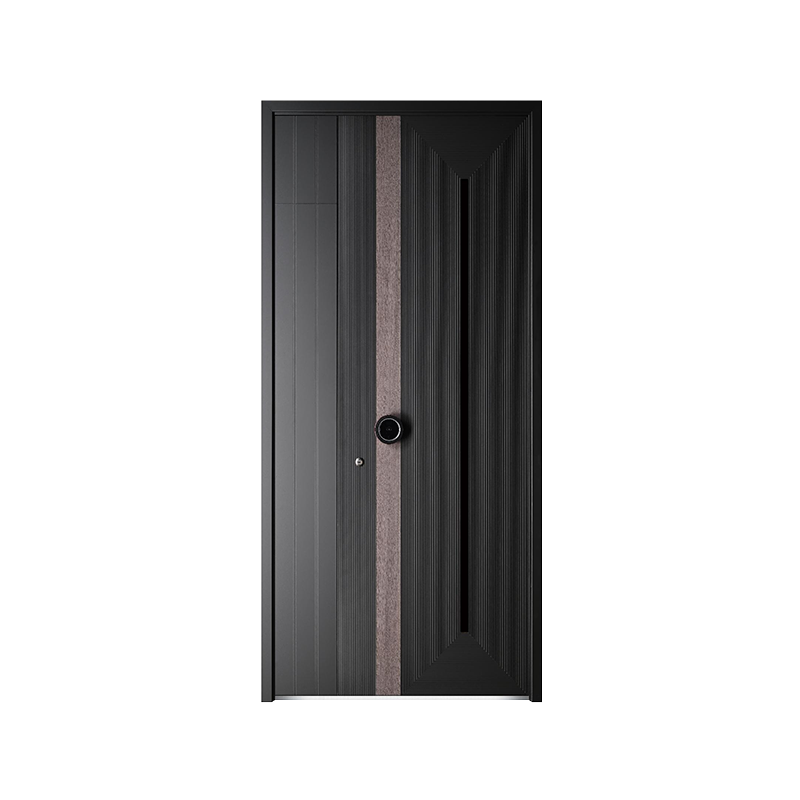
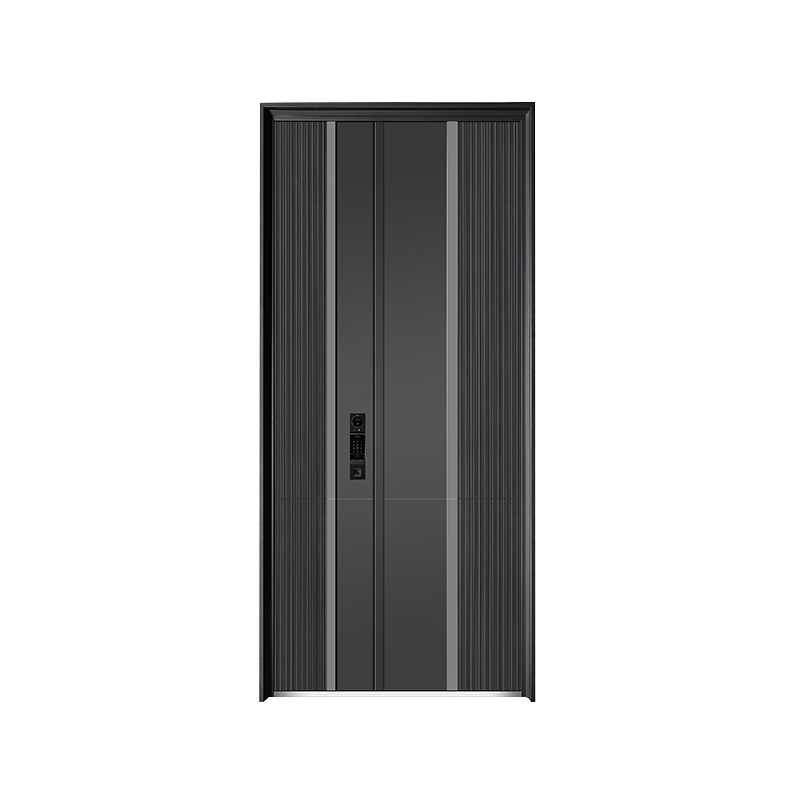
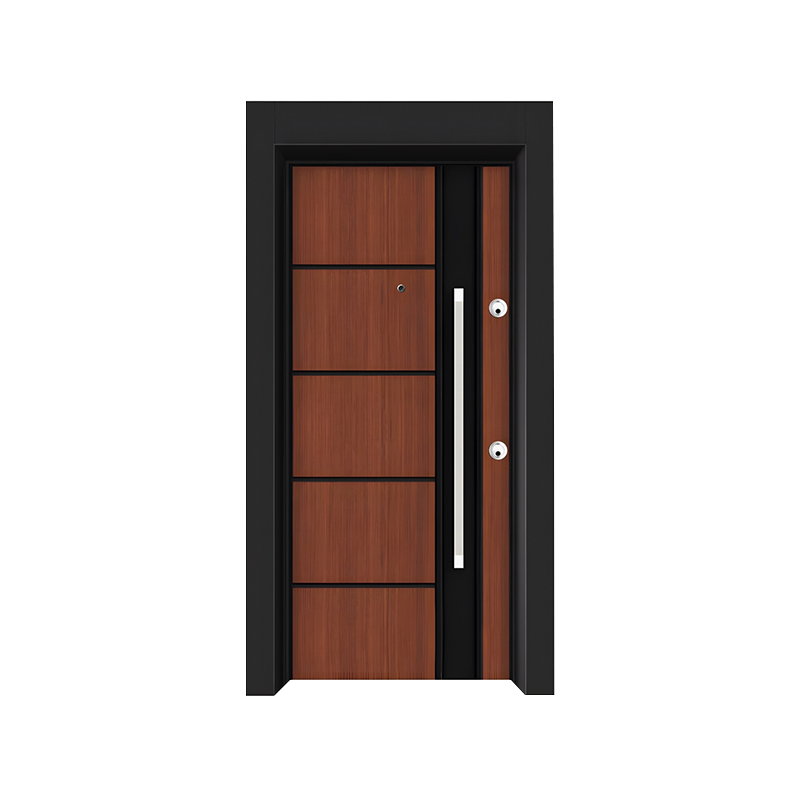
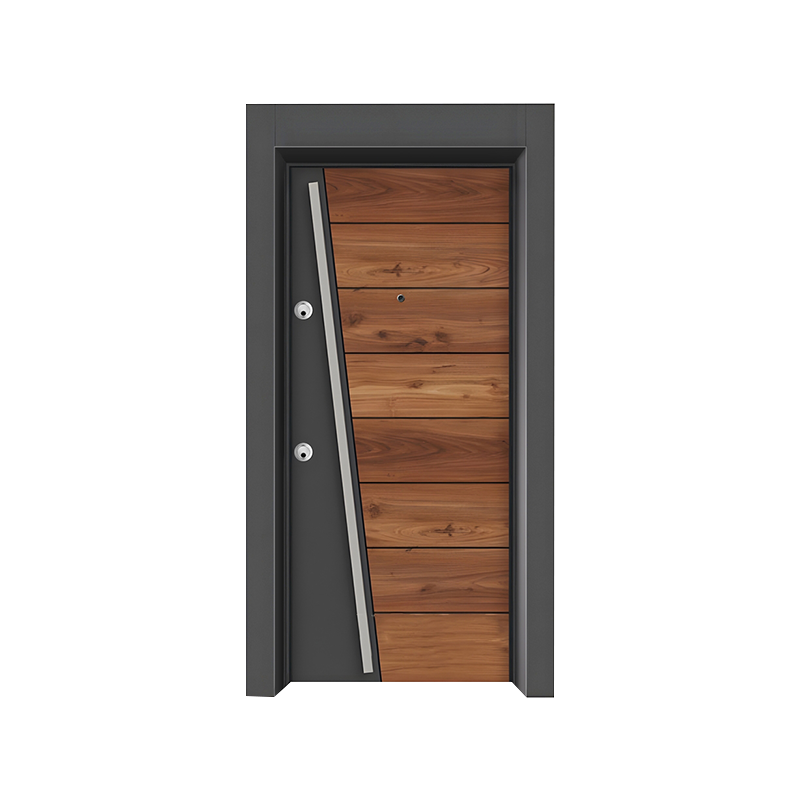
Didn't find the product you like?
We gonna help you find matched one fast


+86-13967452036
The building entrance door is more than just a piece of wood or metal swinging on hinges—it’s the handshake a visitor gets from the building. Whether it’s an office tower, an apartment complex, or a public facility, the entrance door sets the tone for how people experience the space. It needs to juggle accessibility, safety, durability, and a touch of style, all while keeping up with hundreds of feet passing through each day—sometimes more lively than a New Year’s Eve crowd.
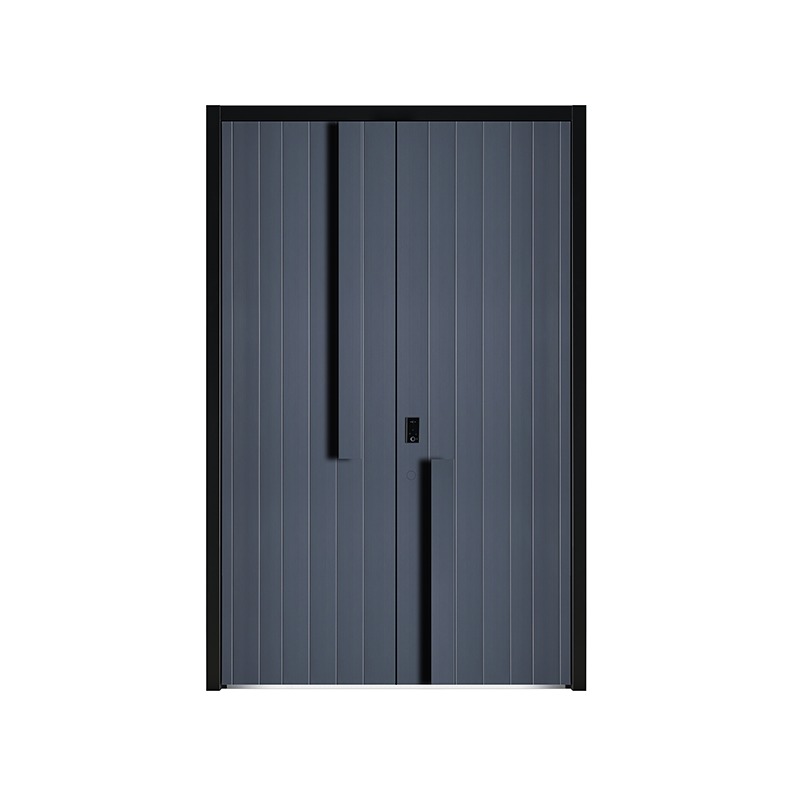
Access control is one topic that often sparks conversation. In modern commercial and residential buildings, entrance doors frequently integrate mechanical or electronic systems to manage who comes and goes. Data from property management suggests that controlled-access doors can reduce unauthorized entry incidents by noticeable amounts in multi-tenant environments. In other words, these doors act as a polite but firm bouncer, letting the right people in and keeping the rest politely out.
Durability under repeated use is another key consideration. A building entrance door can be opened hundreds or even thousands of times per day. That’s a lot of swinging, pushing, and sometimes a bit of impatient kicking. Materials and hardware are therefore selected to handle repeated operations without misalignment or wear. Facility reports indicate that reinforced frames and commercial-grade hinges can extend service life significantly compared with lighter residential-grade components. Think of it as giving the door a marathon runner’s training regimen so it can survive rush hour with ease.
Accessibility is also a major focus. Entrance doors are designed to meet requirements related to opening force, clear width, and handle placement. These features support individuals with mobility limitations and help maintain smooth foot traffic flow during busy hours. In public buildings, properly designed doors can reduce congestion and improve movement efficiency—basically helping everyone avoid a “human traffic jam” at the lobby.
Weather protection often enters the discussion as well. Entrance doors face wind, rain, and temperature changes, which can test even the stoic hardware. Sealed frames and weather-resistant materials help prevent drafts and moisture intrusion. Maintenance logs from large facilities suggest that improved sealing can noticeably reduce interior climate fluctuations near entry points, keeping HVAC systems a little less stressed and employees a little less grumpy.
Visual identity is another element that designers consider. The entrance door contributes significantly to how visitors perceive a building. Door finishes and proportions are chosen to match the purpose of the building—formal, residential, or institutional—helping the structure speak for itself before anyone even steps inside.
In daily operation, the building entrance door supports safety, accessibility, comfort, and efficiency. Its role extends far beyond a simple threshold, serving as a functional and aesthetic linchpin that welcomes, protects, and organizes all who enter.
FAQ
Q1: What is the main role of a building entrance door?
It manages access while supporting safety, accessibility, and smooth movement of occupants.
Q2: Are entrance doors required to meet accessibility standards?
Many public and multi-use buildings follow guidelines to accommodate people with mobility limitations.
Q3: How often do entrance doors require maintenance?
Routine inspection and minor adjustments help prevent wear-related issues and maintain smooth operation.
Q4: Can entrance doors include access control systems?
Yes, many doors integrate mechanical or electronic controls, including keycards, keypads, or remote systems.
Q5: Do entrance doors help with energy efficiency?
Proper sealing and materials can reduce drafts and minor interior climate fluctuations, supporting HVAC efficiency.

 Previous