


 English
  русский
  عربى
عربى  Français
 Metal Steel Door
Product
Didn't find the product you like?
We gonna help you find matched one fast
Popular Products
Didn't find the product you like?
We gonna help you find matched one fast


+86-13967452036
When a building needs an entrance that balances strength, security, and practicality, a steel entrance door often comes to mind. Commonly installed in residential complexes, office buildings, and mixed-use developments, steel entrance doors are designed to withstand frequent daily use while supporting thoughtful security planning. They are like the quiet guardian of the doorway—firm, reliable, and not asking for attention.
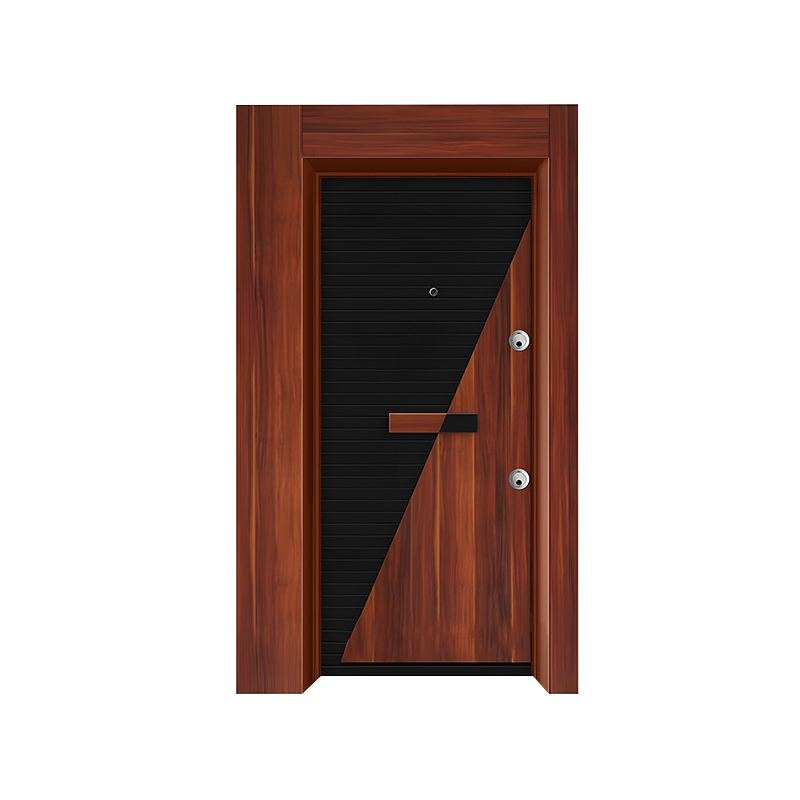
One frequently discussed aspect is entry security. Steel entrance doors are often paired with multi-point locking systems that distribute force evenly across the frame. Evaluations in residential complexes suggest that reinforced steel entrances can reduce the likelihood of forced entry more effectively than doors with single-point locks. In shared residential buildings or office entryways, this added security contributes to both peace of mind and property protection.
Thermal and acoustic performance is also part of the conversation. Many modern steel entrance doors include insulated cores and perimeter seals that limit sound transfer and air leakage. In buildings located near busy streets or communal corridors, reduced noise penetration improves indoor comfort. Facility assessments indicate that buildings with insulated steel doors experience noticeable reductions in corridor noise, supporting a calmer indoor environment.
Installation consistency is another advantage of steel entrance doors. These doors are often produced in standardized sizes, which allows installers to achieve a predictable fit and alignment.
Long-term durability is frequently highlighted. Steel entrance doors resist warping, sagging, and surface deformation even under repeated use. Maintenance data from multi-unit residential buildings shows that steel entrance doors typically remain operational with minimal adjustment over extended periods, even in high-traffic areas where hundreds of people pass through each day. They manage wear with the quiet confidence of a long-serving building caretaker.
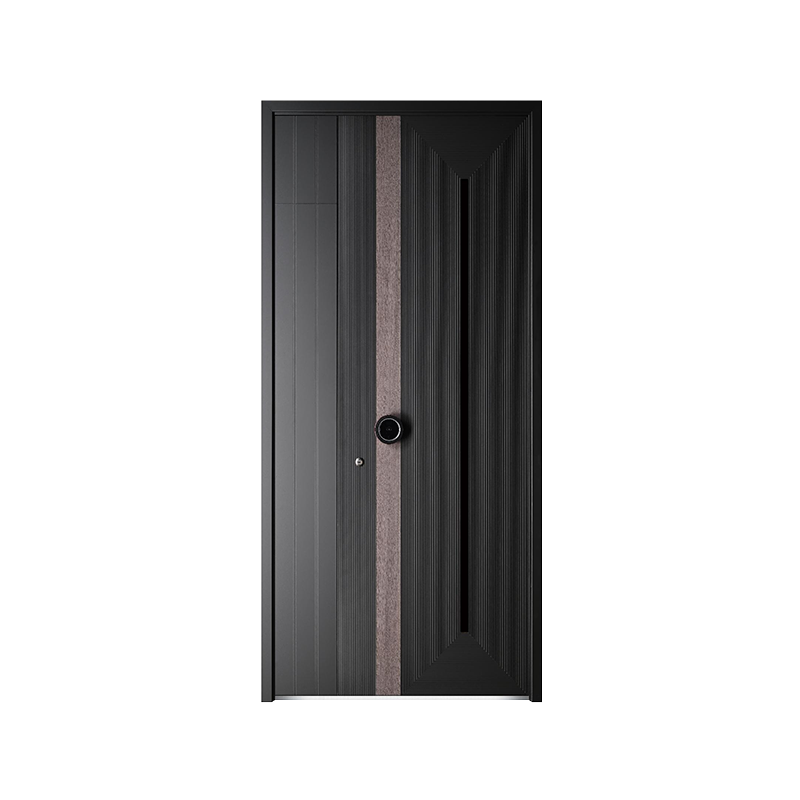
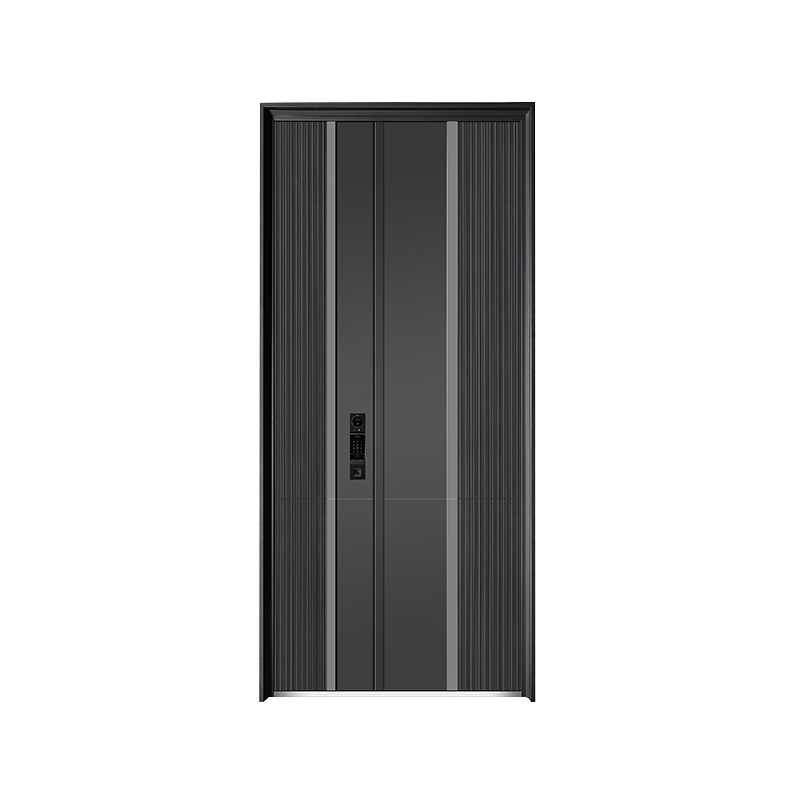
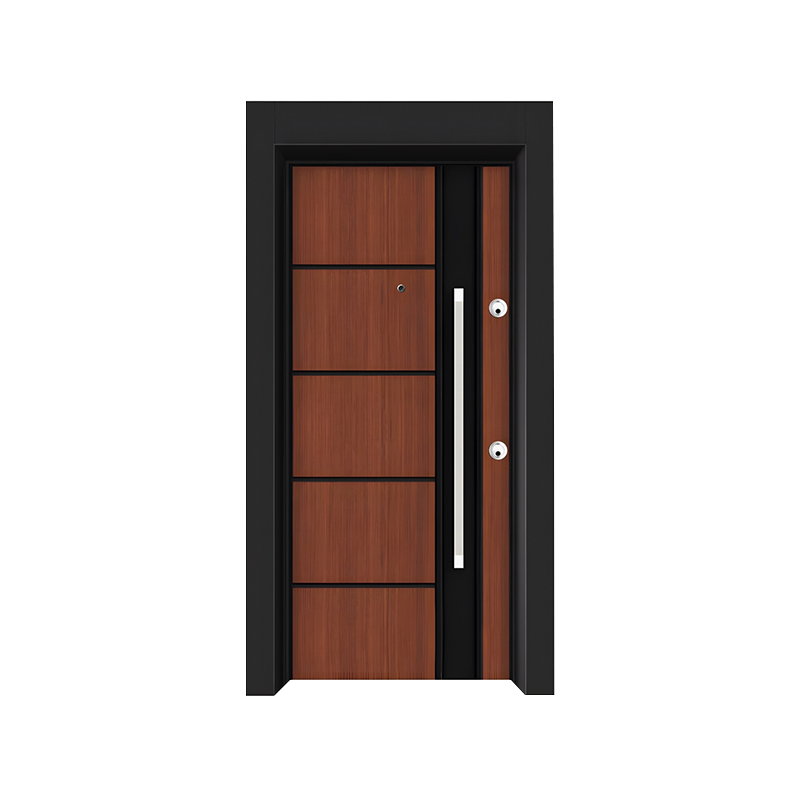
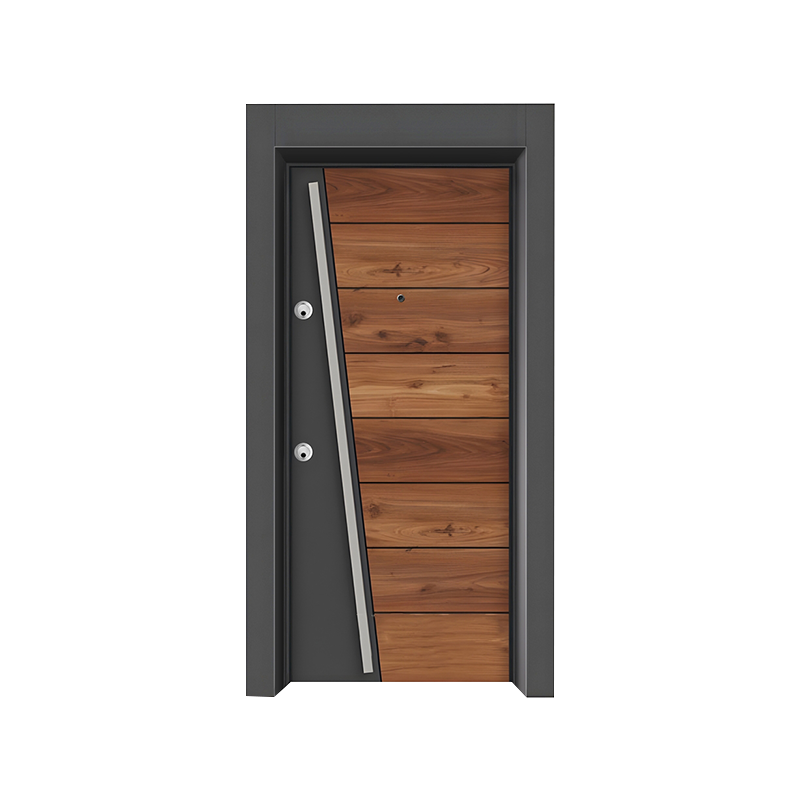
Visual integration has also evolved. Steel entrance doors are now available in finishes that resemble wood, matte architectural surfaces, or subtle metallic tones. This allows designers to meet aesthetic goals without compromising material performance. For architects, it means that a steel entrance door can contribute to a building’s style without looking out of place or industrially stark.
In everyday operation, the steel entrance door not only provides secure access and enhanced indoor comfort but also contributes to smooth traffic flow and long-term durability. By combining structural stability, insulated cores, and thoughtful design features, it remains a reliable, versatile, and visually adaptable entry solution for residential, commercial, and mixed-use buildings.
FAQ
Q1: Where are steel entrance doors commonly used?
They are widely installed in residential complexes, commercial buildings, and mixed-use developments.
Q2: Do steel entrance doors improve noise control?
Many insulated designs reduce sound transfer, which can enhance comfort in busy buildings.
Q3: Are steel entrance doors difficult to install?
Standardized dimensions and pre-configured hardware support smooth and predictable installation.
Q4: Can steel entrance doors match design aesthetics?
Yes, they are available in wood-like finishes, matte surfaces, and various colors to align with interior or exterior design goals.
Q5: How long do steel entrance doors typically remain functional?
With proper installation and routine maintenance, these doors remain operational for many years with minimal adjustment.
Q6: Can steel entrance doors integrate with smart access systems?
Absolutely. Many models support keycards, electronic locks, or remote access, making security management more convenient.
Q7: Do steel entrance doors require frequent maintenance?
Routine inspection and occasional surface cleaning are usually sufficient, helping the door maintain performance and appearance without hassle.
 Previous