

 English
 русский
 عربى
 Français
Metal Steel Door
Product
Didn't find the product you like?
We gonna help you find matched one fast
Popular Products
Didn't find the product you like?
We gonna help you find matched one fast


+86-13967452036
A Kitchen Iron Door works in the part of a building where air, heat and moisture change all day, and that makes it a harder job than a hall or bedroom door. Cooking releases steam, oil mist and warm air, while the door must also keep out weather and intruders. Iron suits those demands, but how it is finished and fitted decides whether it still looks and works well after several years of use.
In warm regions, kitchens often open to a courtyard, a terrace or a garden, and the door becomes the link between cooking and outdoor living. A Kitchen Iron Door with glass panels in an iron frame lets in daylight and gives a view of the garden, while the metal frame keeps the opening secure when the family is out.
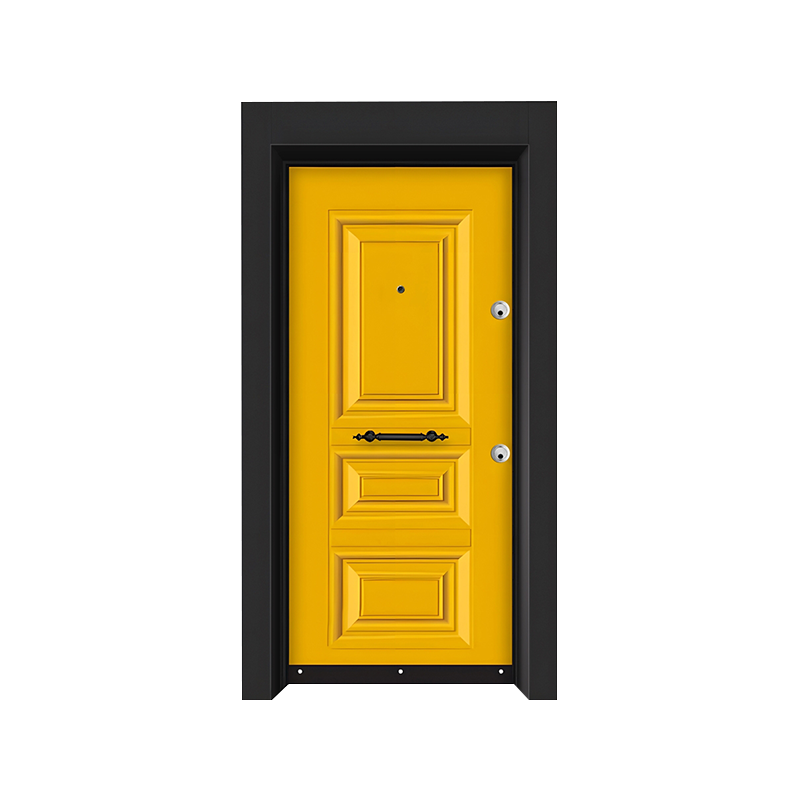
Restaurant kitchens receive deliveries through a rear door and send waste out the same way. These doors are opened hundreds of times a day, knocked by carts and exposed to the weather on the outside face. A Kitchen Iron Door resists dents and forced entry better than a thin hollow panel, which is why rear doors in food businesses are often metal.
Some homes divide an open kitchen from the dining room with a glazed iron-framed door. Cooking smells and noise stay on the kitchen side, while light and sightlines pass through the glass.
Iron and steel do not burn, so a Kitchen Iron Door will not feed a kitchen fire the way a wooden one can. That does not make every metal door a fire door. A fire rating comes from a tested assembly of door, frame, seals and hardware, and local building codes say where such doors are required. Anyone fitting a door on a route that serves as an escape path should check what the regulations ask for before ordering.
Metal also conducts heat. A door positioned beside a hob or oven can become warm to the touch, and handles close to the cooking area are better chosen in a material that does not carry heat to the hand.
A smooth gloss or satin finish wipes clean with a damp cloth, while a rough, deeply textured surface holds oil and dust in its grooves. Decorative scrollwork is attractive but also collects grease in tight curves, so a kitchen door with heavy ornament needs more frequent cleaning than a plain one.
Steam and condensation are the main enemies of bare iron. Moisture reaches any unprotected spot, and rust then spreads under the paint. Primer, a strong topcoat and sealed welds on the bottom rail protect the metal where water collects. An iron kitchen door in a damp room should have drainage paths at the base, so water does not sit in hollow sections.
A kitchen needs air movement, and a solid door blocks it. Many iron kitchen doors use glass panels, louvers or an iron grille with an insect screen behind it. A grille lets cooling air through on summer evenings and keeps flies out when the door stays open for ventilation.
Glass near the cooking area should be toughened or laminated, since thermal shock from a hot pan, a steam burst or a splash of cold water can crack ordinary panes. Frames should hold the glass with seals that tolerate temperature swings.
A large Kitchen Iron Door is heavy and puts steady load on the hinges and the wall. Masonry or concrete reveals take the weight well, while light partition walls may not. Three hinges instead of two reduce sag on tall doors, and a frame anchored into the structure keeps the door square. A door that droops by a few millimeters drags on the floor and stops closing cleanly, so the quality of the hanging matters as much as the metal itself.
The swing direction needs thought in a working kitchen. A door that opens into a room with counters and appliances can strike them, while one that swings outward may catch on a garden path.
A wrought iron door for kitchens solves an old problem: a room that needs fresh air all evening while the household sleeps. With a grille and a mesh screen in the upper section, a Kitchen Iron Door lets heat escape but remains locked and barred, so the door can stay shut without turning the kitchen stuffy. Every Kitchen Iron Door built along these lines keeps the cooking space ventilated through the warm months and secure through the night.