


 English
  русский
  عربى
عربى  Français
 Metal Steel Door
Product
Didn't find the product you like?
We gonna help you find matched one fast
Popular Products
Didn't find the product you like?
We gonna help you find matched one fast


+86-13967452036
Walking through a door showroom can be confusing. Steel doors look similar at a glance. But once you understand the construction, the differences become clear. Steel shop entry doors are not the same as a standard steel entry door.
The gap between them affects security, appearance, and price. Knowing what separates these two options helps buyers make a better choice for their home or building project.
Construction differences start with the frame
A standard steel entry door typically has a steel skin over a wooden or foam core. The frame is often separate from the door leaf. It works fine for normal use. But it has limits.
A steel shop entry door uses steel for both the door leaf and the frame. The frame wraps around the opening. The door sits inside it. This creates a continuous steel barrier around the entire entry.
The armored door also has multiple steel layers. Not just one skin. The design resists spreading or bending under attack. A standard steel door may deform after repeated kicking. The armored version holds its shape longer.
Security features that stand apart
Multi-point locking is common on both types. But the execution differs. A standard steel door may have three locking points: top, bottom, and side.
A steel shop entry door often includes five or more locking points. Steel bolts slide into the steel frame on all sides. The door becomes part of the wall structure.
The lock housing on an armored door is also reinforced. The mechanism sits inside a steel box welded to the door. Drilling attacks take much longer. Pry bars have nothing to grab. Standard steel doors typically have surface-mounted locks that are easier to force.
Aesthetic and design approach
Standard steel doors come in basic styles: flat panels and simple colors. They are functional but not decorative.
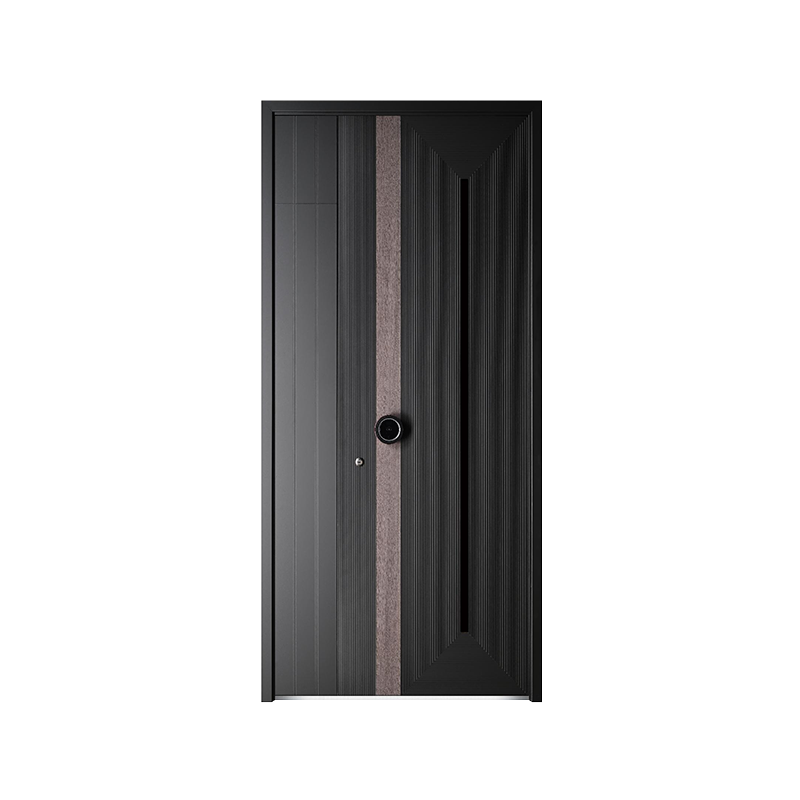
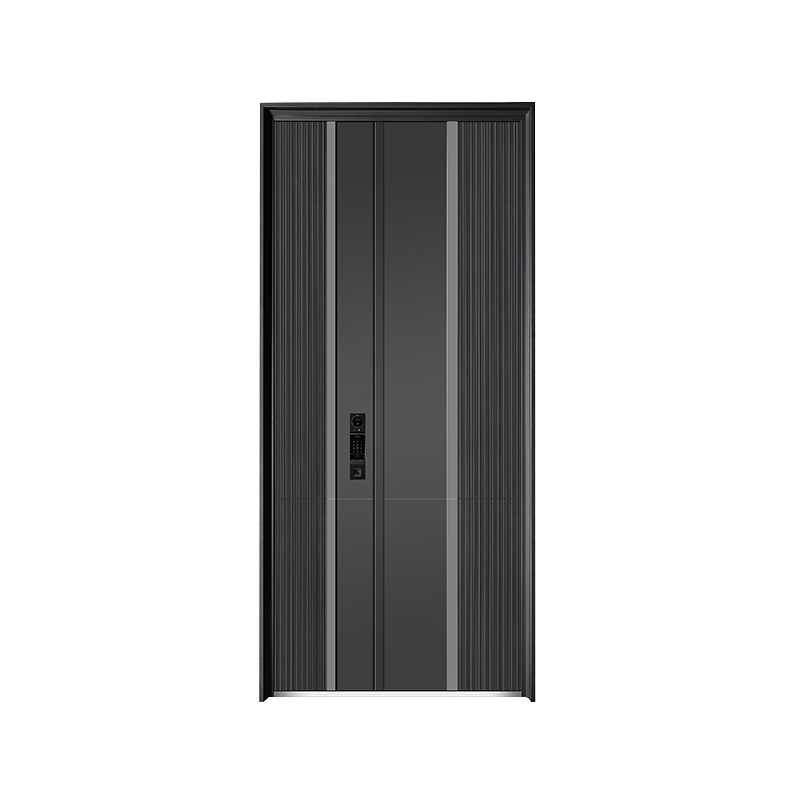
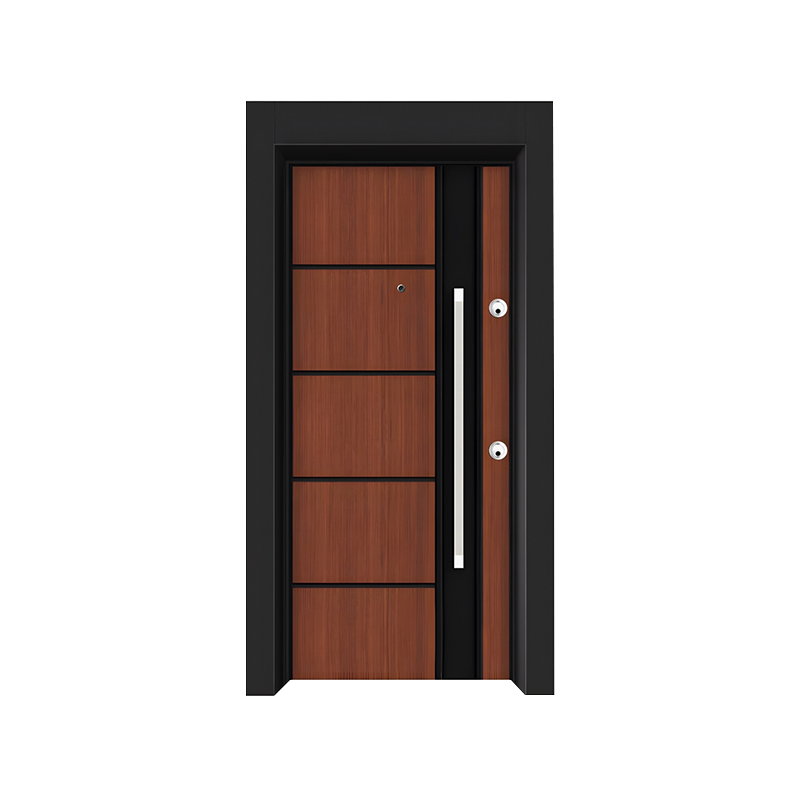
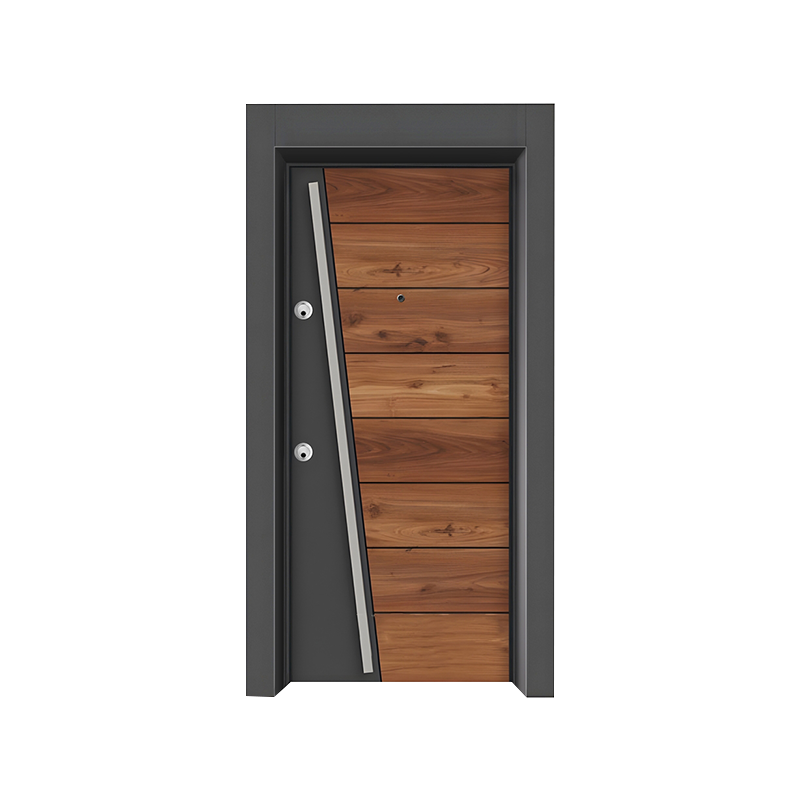
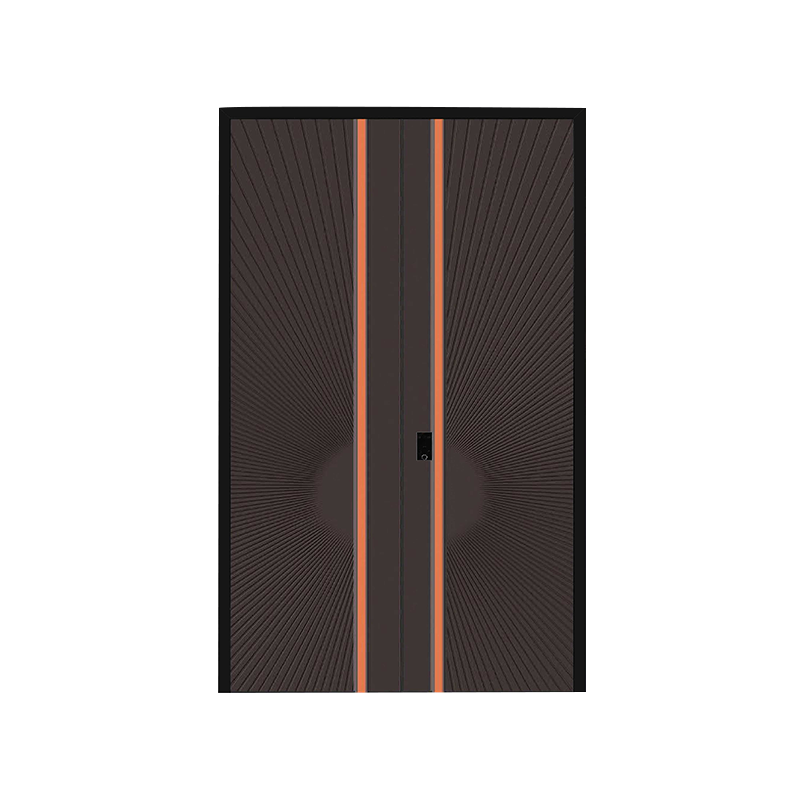
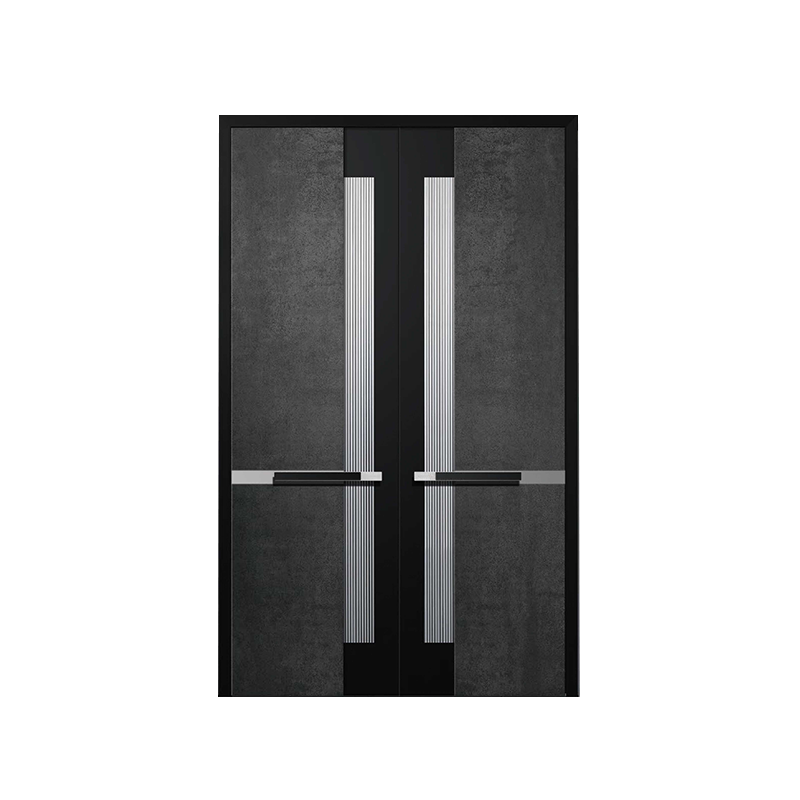
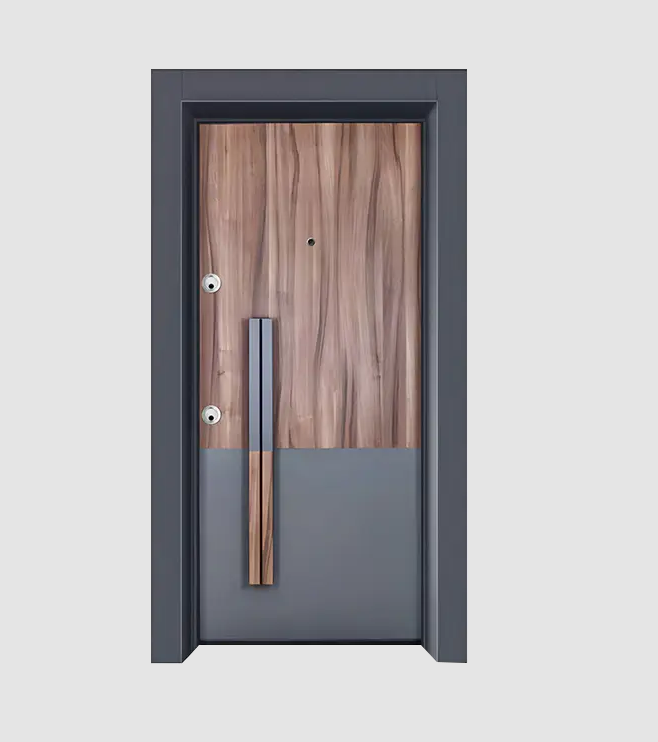
A steel shop entry door pays attention to appearance. The design includes geometric patterns, raised panels, and engraved details. Some models have curves or arches. The finishes include wood grain textures, antique patinas, or smooth modern coatings.
The craftsmanship on an armored door is more involved. Skilled workers spend time on each door. Standard steel doors rely on automated production lines. That difference shows up in the final product.
Weight and installation
Standard steel entry doors weigh between 40 and 60 kilograms. A steel shop entry door can weigh 80 to 120 kilograms or more.
The extra weight requires stronger hinges. Three hinges are normal. Four or five may be used on wider armored doors. The frame must be anchored into solid wall construction. A wooden frame will not support the load.
Installation of a steel shop entry door takes longer. Two or three installers are usually needed. Standard steel doors can often be installed by one person with basic tools.
Weather resistance and insulation
Both door types resist weather, but the armored door has advantages. The steel frame seals tightly against the wall. Gaps are smaller. Drafts are less common.
The core of a steel shop entry door usually contains dense polyurethane foam. This material insulates well and adds structural rigidity. Standard steel doors may use honeycomb cardboard or lower-density foam.
In cold climates, the armored door performs better. Less heat escapes. The interior surface stays warmer. Condensation is less likely to form on the inside of the door.
Price difference and value
Standard steel entry doors are budget-friendly. A good quality unit costs several hundred dollars. Installation is straightforward and affordable.
A steel shop entry door costs significantly more. The price reflects the materials, craftsmanship, and security engineering. Installation also costs more due to the weight and complexity.
The question is whether the extra cost is worth it. For a home in a low-risk area, a standard steel door may be sufficient. For a villa, luxury home, or property where security is a top concern, the armored door makes sense. The added protection and aesthetic value justify the higher price over the long term.
Choosing between them
Look at your priorities. Security first? The steel shop entry door wins. Budget first? A standard steel door works fine.
Consider the door location. Front entrance of a family home in a safe neighborhood does not need an armored door. Back entrance of a commercial building storing valuable equipment may benefit from one.
 Previous