


 English
  русский
  عربى
عربى  Français
 Metal Steel Door
Product
Didn't find the product you like?
We gonna help you find matched one fast
Popular Products
Didn't find the product you like?
We gonna help you find matched one fast


+86-13967452036
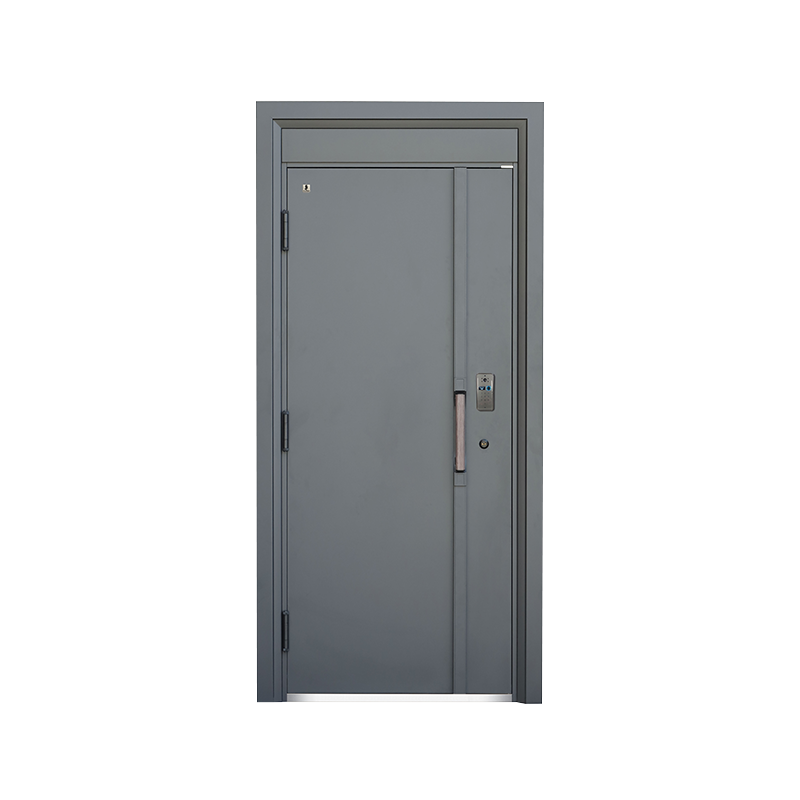
Fire doors are a critical element of building safety, designed to slow the spread of fire and smoke, protect exit routes, and support emergency response during fire incidents. Their effectiveness relies not only on proper installation but also on ongoing inspection, maintenance, and compliance with safety standards.
Fire doors are engineered to resist fire for specific periods, commonly 30 or 60 minutes, providing occupants additional time to evacuate and allowing emergency responders to control the fire. Key components include certified hinges, latches, and automatic closing mechanisms. If any part is compromised, the door’s fire protection ability can be significantly reduced.
Regulatory Standards and Compliance
Globally, fire doors are subject to well-established standards that govern design, testing, and installation. In Europe, standards such as BS 476 and EN 1634 define fire resistance testing and classification systems. These classifications indicate the time a door can withstand fire exposure under controlled conditions.
In the United States, fire door regulations are included in building codes and safety standards, which specify locations requiring fire doors, inspection frequency, and testing requirements. Many regions mandate annual inspections to ensure doors, frames, and hardware function correctly. Proper certification marks on doors indicate compliance with these standards and verify fire resistance performance.
Maintenance and Safety Considerations
Installation alone is insufficient; regular maintenance and inspections are essential. Studies show that a significant proportion of fire doors fail to meet safety standards due to issues like excessive gaps, missing or damaged smoke seals, and faulty hardware. For example, inspection programs indicate that up to 75% of fire doors may have issues affecting their performance, often stemming from preventable maintenance lapses.
Routine inspection and timely repairs not only improve fire containment capabilities but also fulfill legal obligations. Neglecting fire door maintenance can result in fines, legal liabilities, or increased risk to occupants. Fire doors must remain closed when not in use and be free of obstructions to function effectively during a fire emergency.
Market and Adoption
Fire doors form part of a growing global safety equipment market, valued at approximately USD 14 billion in 2024. Growth is driven by increased awareness of building safety, stricter enforcement of fire codes, and modernization of residential, commercial, and industrial structures. Asia‑Pacific accounts for a significant share of installations, with Europe and North America also showing steady growth. Manufacturers are developing fire doors with diverse materials and fire resistance ratings to meet varying building requirements.
FAQ: Fire Doors
1. What is a fire door?
A fire door is a door assembly tested and certified to resist the spread of fire and smoke for a specific period, supporting safe evacuation and fire control.
2. Where are fire doors required?
They are typically required in exit routes, stairwells, corridors, and between different fire compartments in buildings, according to local building codes.
3. How often should fire doors be inspected?
Fire doors should be inspected at least annually, or more frequently if conditions indicate potential wear or damage.
4. What happens if a fire door fails inspection?
Noncompliant fire doors require repair or replacement to maintain safety and may cause fines or liability issues if left unaddressed.
5. Does a fire door guarantee safety?
Fire doors enhance safety but are effective only when properly installed, maintained, and used in conjunction with other fire protection measures such as alarms and sprinkler systems.

 Previous