

 English
  русский
  عربى
عربى  Français
 Metal Steel Door
Product
Didn't find the product you like?
We gonna help you find matched one fast
Popular Products
Didn't find the product you like?
We gonna help you find matched one fast


+86-13967452036
A brand-new bronze fitting and a decades-old one rarely look alike, and that difference is the entire point of choosing the material to begin with. A Bronze Door Knocker is one of the few pieces of door hardware where visible aging is treated as a feature rather than a flaw, which sets it apart from other metal finishes used on an entrance.
Bronze reacts with oxygen and moisture in the air over time, gradually forming a surface layer that shifts the metal's color from its original bright tone toward deeper browns, greens, or near-black tones depending on the alloy and local environment. This process is what gives a Bronze Door Knocker its characteristic aged appearance, and it happens gradually rather than through mechanical wear the way scratches or dents would. Product developers working with bronze hardware often account for this expected color shift when presenting the material to buyers, since a fitting installed today can look noticeably different after a few years outdoors compared to how it appeared on delivery.
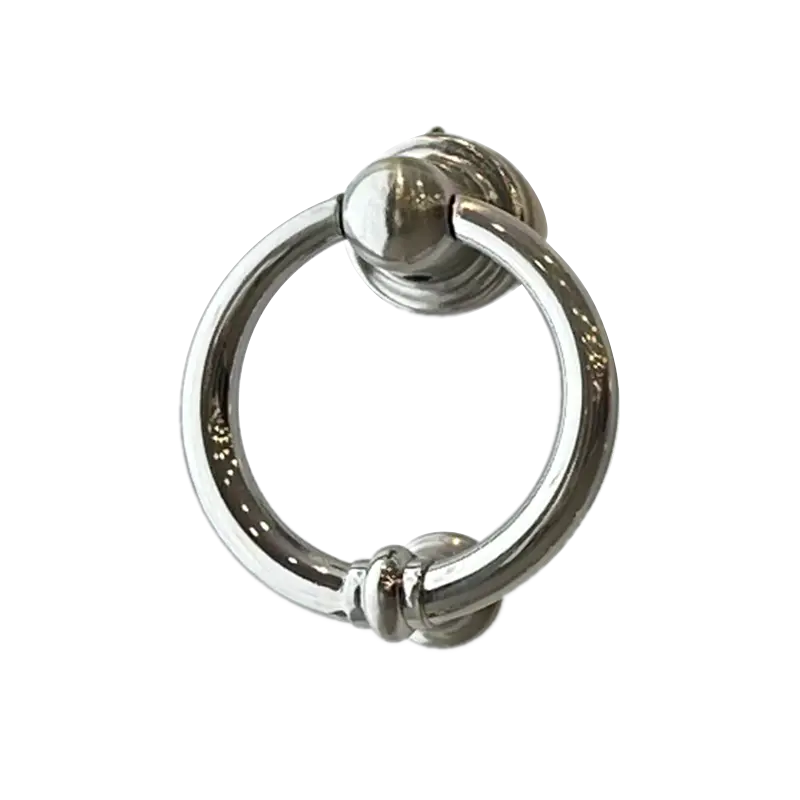
A brass door knocker develops its own patina, but the alloy composition means brass tends to shift toward warmer, sometimes darker gold tones rather than the greenish or blackened surfaces associated with bronze. Stainless steel, by comparison, resists this kind of surface change almost entirely, holding a consistent appearance across years of exposure with minimal color drift. Buyers selecting between these materials for a Bronze Door Knocker purchase are essentially choosing between a fitting that changes character over time and one that stays visually static, and that decision often comes down to whether the aging process fits the architectural style being targeted.
An antique door knocker finish applies a chemical or mechanical treatment during manufacturing to simulate the look of years of natural aging before a Bronze Door Knocker ever leaves the factory. This approach suits buyers who want the visual character of aged bronze without waiting for the natural process to occur, though the pre-aged finish behaves somewhat differently over time than metal left to age under real environmental exposure. Distributors stocking both natural and pre-aged Bronze Door Knocker options can offer buyers a choice between an authentic long-term aging trajectory and an immediate, consistent starting appearance.
Bronze hardware used for a Bronze Door Knocker is typically cast rather than stamped from sheet metal, which allows for the kind of dimensional detail seen in traditional lion-head or ornamental knocker designs that would be difficult to achieve through stamping alone. This casting process also tends to produce a heavier, more substantial-feeling piece, which buyers often associate with higher perceived quality compared to lighter, stamped alternatives. A door hardware finish built through casting can support more intricate surface texture and relief detail than sheet-formed hardware typically allows.
Historical and heritage building projects frequently specify bronze specifically because the material has a long documented history in traditional architectural hardware, and its aging characteristics align with the goal of maintaining period-appropriate appearance over decades. Contemporary residential and commercial projects, by contrast, more often weigh bronze against brass or stainless steel based on maintenance expectations and how much visual change the property owner wants to see in the entrance hardware over time.
Zhejiang Shenggu Electronics Co., Ltd. develops door hardware alongside its entrance door product lines, drawing on production experience that dates back to the company's factory establishment in 2006. Working across bronze, brass, and stainless steel within the same hardware category allows the company to support buyers whose projects call for different aging characteristics, from the traditional patina development associated with bronze to the more visually stable performance of stainless steel fittings. As export markets across Europe, the Middle East, and South America continue to represent a growing share of the company's door and hardware business, material selection conversations increasingly reflect the specific climate and architectural preferences of each region.